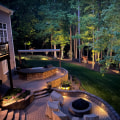
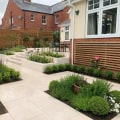
In the realm of landscaping, the term hardscape encompasses all the non-plant elements that contribute to the structure and functionality of outdoor spaces. This includes materials such as stone, concrete, wood, and metal, which are strategically integrated into landscape designs to create visually appealing and practical environments. Understanding hardscape is essential for anyone looking to enhance their outdoor areas, as it plays a pivotal role in defining the character and usability of a landscape.The importance of hardscape in landscape design cannot be overstated. It serves as the backbone of any outdoor project, providing necessary support for various features while also establishing a cohesive aesthetic.
Hardscape elements like patios, walkways, retaining walls, and decks not only facilitate movement and accessibility but also help delineate different areas within a garden. By incorporating these elements thoughtfully, homeowners can create distinct zones for relaxation, entertainment, or gardening, thereby maximizing the functionality of their outdoor spaces.Moreover, hardscape contributes significantly to the overall aesthetics of a landscape. The choice of materials, colors, and textures can dramatically influence the visual appeal of an area. For instance, a well-designed stone pathway can lead visitors through a garden while adding a rustic charm, whereas sleek concrete pavers may impart a modern feel.
Additionally, hardscape features can complement existing plants and trees, enhancing their beauty and creating a harmonious balance between natural and man-made elements.As we delve deeper into the impact of hardscape on landscape design, it becomes clear that these elements are not merely functional; they are integral to crafting an inviting and engaging outdoor experience. By understanding the basics of hardscape and its significance in landscaping, homeowners can make informed decisions that elevate their gardens from ordinary to extraordinary.
Key Elements of Hardscape
When it comes to landscaping, the choice of hardscape materials is crucial in defining the character and functionality of your outdoor space. Each type of material offers unique benefits and aesthetic qualities that can enhance your landscape design. Below, we explore some of the most popular hardscape materials and their key features.Concrete
Concrete is one of the most versatile hardscape materials available.It can be poured into various shapes and sizes, making it ideal for patios, walkways, and driveways. Its durability is unmatched, allowing it to withstand heavy foot traffic and harsh weather conditions. Additionally, concrete can be stamped or stained to mimic the appearance of more expensive materials like stone or brick, providing a cost-effective solution without sacrificing style.
Stone
Natural stone adds a timeless elegance to any landscape. Options such as granite, limestone, and slate are popular choices for patios, retaining walls, and garden paths.Each type of stone has its own unique texture and color variations, allowing for a customized look. Stone is also highly durable and can last for decades with minimal maintenance. However, it can be more expensive than other materials, so it's essential to consider your budget when incorporating stone into your design.
Brick
Brick is another classic hardscape material that brings warmth and charm to outdoor spaces. It is often used for walkways, patios, and garden borders.The interlocking nature of bricks allows for easy installation and repair, making them a practical choice for homeowners. Additionally, bricks are available in various colors and textures, enabling you to create intricate patterns that enhance the visual appeal of your landscape.
Wood
Wooden structures such as decks and pergolas provide a natural aesthetic that blends seamlessly with gardens. Pressure-treated lumber or composite materials are commonly used for their resistance to rot and insects. Decks can serve as an extension of your living space, perfect for entertaining or relaxing outdoors.However, wood requires regular maintenance, including sealing and staining, to preserve its appearance over time.
Hardscape Features
In addition to the materials themselves, various hardscape features play a significant role in landscape design:- Patios: These flat surfaces are perfect for outdoor dining or lounging areas.
- Walkways: Pathways guide visitors through your garden while adding structure.
- Retaining Walls: These walls help manage soil erosion while creating tiered landscapes.
- Decks: Elevated platforms provide stunning views and functional outdoor living spaces.
The Aesthetic Impact of Hardscape on Landscaping
When considering the overall visual appeal of a landscape, the role of hardscape cannot be overstated. Hardscape elements serve as the backbone of any outdoor design, providing structure and form that can dramatically enhance the aesthetic quality of a garden. By integrating various hardscape materials, designers can create a harmonious balance between natural and man-made elements, resulting in a cohesive outdoor environment.Color
is one of the most impactful aspects of hardscape design.
The choice of materials—whether it be warm-toned bricks, cool gray concrete, or earthy stone—can set the mood for the entire space. For instance, using lighter colors can make an area feel more open and airy, while darker shades can create a sense of intimacy and warmth. Additionally, contrasting colors between hardscape and softscape elements (like plants and flowers) can draw attention to specific areas, guiding the eye through the landscape.
Texture
also plays a crucial role in enhancing the visual appeal of landscaping. Different materials offer varying textures that can add depth and interest to an outdoor space.
For example, smooth concrete surfaces can provide a modern look, while rough-hewn stones can evoke a rustic charm. Incorporating multiple textures within hardscape features—such as combining polished pavers with natural stone walls—can create a dynamic visual experience that invites exploration.Patterns are another essential design principle that can be achieved through hardscaping. The arrangement of pavers in intricate patterns or the use of decorative stonework can serve as focal points within a garden. These patterns not only enhance the beauty of the landscape but also contribute to its functionality by guiding foot traffic and defining spaces.
For instance, a winding pathway made from interlocking stones can lead visitors through different sections of the garden, encouraging them to appreciate each area’s unique features.Moreover, hardscape elements such as retaining walls and raised beds can be designed to complement existing topography, creating visually appealing transitions between different levels of the landscape. This not only adds dimension but also allows for creative planting opportunities that enhance the overall design.In conclusion, the aesthetic impact of hardscape on landscaping is profound. By thoughtfully selecting materials based on color, texture, and pattern, homeowners and designers can create stunning outdoor spaces that are both beautiful and functional. The integration of hardscape elements not only elevates the visual appeal but also contributes to a well-rounded garden design that harmonizes with nature.
Functional Benefits of Hardscape in Landscape Design
Incorporating hardscape elements into landscape design offers a multitude of functional benefits that enhance the usability and practicality of outdoor spaces.These benefits go beyond mere aesthetics, providing essential features that improve the overall experience of your garden.
Improved Drainage
One of the primary advantages of hardscape is its ability to facilitate effective drainage. Traditional landscaping often struggles with water pooling and erosion, especially in areas with heavy rainfall. By integrating hardscape features such as permeable pavers, gravel pathways, and retaining walls, homeowners can direct water flow away from vulnerable areas. This not only prevents flooding but also protects plant life from excess moisture, ensuring a healthier garden environment.
Enhanced Accessibility
Hardscape elements significantly improve accessibility within outdoor spaces.
For individuals with mobility challenges or families with young children, smooth surfaces like patios and walkways provide safe and easy navigation. Incorporating ramps or wide pathways made from durable materials can create a welcoming environment for everyone. Additionally, these features allow for the seamless movement of furniture and equipment, making it easier to host gatherings or perform maintenance tasks.
Optimized Space Utilization
Effective landscape design maximizes the use of available space, and hardscape plays a crucial role in this optimization. By defining specific areas for activities such as dining, lounging, or gardening, hardscape elements help create distinct zones within your yard.
For instance, a well-placed patio can serve as an outdoor dining area, while a fire pit surrounded by seating can become a cozy gathering spot. This thoughtful arrangement not only enhances functionality but also encourages more frequent use of the outdoor space.
Durability and Low Maintenance
Unlike traditional landscaping that requires regular upkeep, hardscape materials are typically more durable and require less maintenance. Features like stone walls, concrete patios, and brick pathways can withstand harsh weather conditions without deteriorating. This resilience means less time spent on repairs and more time enjoying your outdoor oasis.
Furthermore, many hardscape materials are resistant to pests and weeds, reducing the need for chemical treatments that can harm the environment.In conclusion, the integration of hardscape into landscape design not only enhances the visual appeal of your outdoor space but also provides essential functional benefits. From improved drainage to enhanced accessibility and optimized space utilization, hardscape elements are vital for creating a practical and enjoyable garden environment.
Integrating Hardscape with Softscape Elements
Creating a visually appealing and functional landscape requires a thoughtful integration of hardscape and softscape elements. Hardscape refers to the non-living features of your outdoor space, such as patios, walkways, and walls, while softscape encompasses the living components, including plants, trees, and flowers. Achieving a harmonious balance between these two elements is essential for a cohesive landscape design.Understanding the Role of Each Element
Hardscape provides structure and durability to your landscape, serving as the foundation upon which softscape elements can thrive.
For instance, a well-placed patio can create an inviting area for relaxation and entertainment, while surrounding it with lush greenery can soften the hard edges and enhance the overall aesthetic. Conversely, softscape elements add life and color to your outdoor space, making it feel vibrant and welcoming.
Tips for Effective Integration
- Choose Complementary Materials: When selecting hardscape materials, consider how they will interact with your softscape. Natural stone pathways can blend beautifully with flowering plants, while concrete pavers may require more careful plant selection to avoid a stark contrast.
- Layering for Depth: Use varying heights in both hardscape and softscape to create visual interest. Raised beds or tiered patios can provide depth and dimension, allowing plants to cascade over edges or stand tall against hard surfaces. Use varying heights in both hardscape and softscape to create visual interest. Raised beds or tiered patios can provide depth and dimension, allowing plants to cascade over edges or stand tall against hard surfaces.
- Color Coordination: Pay attention to color schemes when integrating hardscape with softscape.
Neutral hardscape materials can serve as a backdrop for vibrant flowers, while darker stones may complement lush green foliage.
- Functional Pathways: Design pathways that not only connect different areas of your garden but also guide visitors through the landscape. Incorporate softscape elements along these paths to create a seamless transition between hard surfaces and living plants.
- Seasonal Considerations: Choose plants that offer year-round interest to ensure that your landscape remains appealing in all seasons. Deciduous trees may provide shade in summer but lose their leaves in winter; pairing them with evergreen shrubs can maintain visual continuity.
The Importance of Balance
A well-balanced landscape design not only enhances the beauty of your outdoor space but also promotes ecological health. Integrating hardscape with softscape allows for better water management, as permeable surfaces can help with drainage while providing necessary support for plant growth.
Additionally, this balance creates diverse habitats for wildlife, encouraging beneficial insects and birds to thrive in your garden.In conclusion, the integration of hardscape and softscape elements is crucial for achieving a harmonious landscape design. By carefully considering materials, colors, and plant selections, you can create an outdoor space that is both functional and aesthetically pleasing.
Maintenance Considerations for Hardscapes
Maintaining hardscapes is crucial for preserving their beauty and functionality over time. Each type of hardscape material requires specific care to ensure longevity and to prevent deterioration. Here are some essential maintenance tips tailored for various hardscape features:- Concrete Surfaces: Regularly inspect concrete patios and walkways for cracks or chips.
To prevent further damage, fill any cracks with a concrete patching compound. Additionally, applying a sealant every few years can protect against moisture infiltration and staining.
- Brick and Paver Patios: Keep these surfaces clean by sweeping away debris and using a pressure washer for deeper cleaning. Be cautious with the pressure settings to avoid dislodging the pavers. Replacing any loose or damaged bricks promptly will maintain the integrity of the design.
- Wooden Decks: Wooden decks require regular sealing to protect against moisture and UV damage.
Clean the surface with a gentle soap solution and a soft brush, then apply a wood preservative every couple of years. Inspect for signs of rot or insect damage, replacing any compromised boards as needed.
- Stone Features: Natural stone elements like retaining walls or pathways should be cleaned with a mild detergent and water. Avoid harsh chemicals that can erode the stone's surface. Regularly check for shifting stones or erosion around edges, addressing any issues immediately to prevent larger problems.
- Seasonal Inspections: Conduct thorough inspections at the beginning of each season to identify any wear or damage caused by weather conditions.
- Weed Control: Weeds can grow in the joints of pavers or around hardscape features, so regular weeding is essential.
Use mulch or landscape fabric to suppress weed growth in garden beds adjacent to hardscapes.
- Drainage Management: Ensure that water drains away from hardscape areas to prevent pooling, which can lead to erosion or structural damage. Adjust grading if necessary and keep drainage systems clear of debris.
Cost Considerations and Return on Investment for Hardscaping Projects
When considering a hardscaping project, understanding the cost implications and potential return on investment (ROI) is crucial for homeowners. Hardscaping can significantly enhance the aesthetic appeal and functionality of your outdoor space, but it also requires careful financial planning.Initial Costs of Hardscaping
- Material Selection: The choice of materials plays a significant role in determining the overall cost.
Options range from budget-friendly concrete to high-end natural stone. Each material has its own price point, durability, and maintenance requirements.
- Labor Costs: Professional installation can add to the initial expense. While DIY projects may save money, they often require a significant time investment and may not yield the same quality as professional work.
- Design Complexity: More intricate designs with features like retaining walls, pathways, or outdoor kitchens will naturally incur higher costs due to the additional labor and materials required.
Long-Term Value Addition
Investing in hardscaping not only beautifies your property but also enhances its value over time. Here are some key points to consider:
- Curb Appeal: Well-designed hardscape elements can dramatically improve your home's curb appeal, making it more attractive to potential buyers.
- Functional Spaces: Features like patios and outdoor kitchens create usable spaces that extend your living area outdoors, which is increasingly desirable in today’s real estate market.
- Low Maintenance: Many hardscape materials require less upkeep compared to traditional landscaping, leading to long-term savings on maintenance costs.
Calculating ROI on Hardscaping Projects
The ROI on hardscaping projects can vary widely based on location, market trends, and the quality of materials used.
On average, homeowners can expect a return of 50% to 70% on their investment when selling their home after completing a hardscaping project. To maximize ROI:
- Select timeless designs that appeal to a broad audience.
- Invest in high-quality materials that stand the test of time.
- Ensure that your hardscape complements existing landscaping for a cohesive look.
Trends in Hardscaping for Modern Landscapes
As we move further into 2023, the world of hardscaping continues to evolve, reflecting the changing preferences of homeowners and landscape designers alike. Modern landscape design is increasingly characterized by a blend of functionality, sustainability, and aesthetic appeal.Here are some of the most notable trends in hardscaping that are shaping contemporary outdoor spaces.
1.Sustainable Materials
With a growing emphasis on environmental responsibility, many homeowners are opting for sustainable hardscaping materials. Recycled concrete, permeable pavers, and reclaimed wood are becoming popular choices. These materials not only reduce waste but also contribute to a more eco-friendly landscape. For instance, permeable pavers allow rainwater to seep through, reducing runoff and promoting groundwater recharge.2.Outdoor Living Spaces
The concept of outdoor living has gained immense popularity, leading to the integration of hardscape features that enhance comfort and usability.Patios equipped with outdoor kitchens, fire pits, and seating areas are now common in modern landscapes. These elements create inviting spaces for entertaining and relaxation, blurring the lines between indoor and outdoor living.
3.Textured Surfaces
Texture plays a crucial role in modern hardscape design. Homeowners are increasingly drawn to textured surfaces that add depth and interest to their landscapes. From stamped concrete that mimics natural stone to rough-hewn wood finishes, these materials create visual contrast and enhance the tactile experience of outdoor spaces.4.Minimalist Designs
Simplicity is key in contemporary hardscaping trends.Minimalist designs focus on clean lines and uncluttered spaces, allowing natural elements like plants and water features to take center stage. This approach not only creates a serene environment but also makes maintenance easier for homeowners.
5.Innovative Lighting Solutions
Lighting is an essential aspect of modern hardscape design that enhances safety and ambiance. LED lighting integrated into pathways, steps, and walls can highlight architectural features while providing functional illumination. Smart lighting systems that can be controlled via smartphone apps are also gaining traction, allowing homeowners to customize their outdoor lighting effortlessly.6.Multi-Functional Hardscape Elements
In an age where space is often at a premium, multi-functional hardscape elements are becoming increasingly popular.Features such as benches that double as storage or planters that serve as dividers can maximize utility without compromising style. These innovative solutions cater to the needs of modern homeowners who seek both beauty and practicality in their landscapes.In conclusion, the trends in hardscaping for 2023 reflect a shift towards sustainability, functionality, and aesthetic simplicity. By incorporating these innovative materials and techniques into landscape design, homeowners can create outdoor spaces that are not only visually appealing but also environmentally responsible and highly functional.
FAQs About Hardscape in Landscape Design
When it comes to integrating hardscape into your landscape design, many homeowners have questions. Here are some of the most frequently asked questions about hardscaping, along with clear and informative answers.What is hardscape?
Hardscape
refers to the non-plant elements of landscape design, including materials like stone, concrete, wood, and metal.
These components provide structure and functionality to outdoor spaces, complementing the living elements such as plants and trees.
How does hardscape enhance my landscape?
Incorporating hardscape features can significantly enhance your landscape by:- Creating functional spaces: Patios, walkways, and retaining walls can define areas for relaxation, entertainment, or gardening.
- Improving aesthetics: Well-designed hardscape elements can add visual interest and elegance to your garden.
- Increasing property value: Quality hardscaping can boost your home’s curb appeal and overall market value.
What are some popular hardscape materials?
Some commonly used materials in hardscaping include:- Pavers: Available in various shapes and colors, pavers are versatile for patios and walkways.
- Natural stone: This material offers a timeless look for walls, pathways, and decorative features.
- Concrete: Durable and cost-effective, concrete can be poured or stamped to create unique designs.
- Wood: Used for decks and fences, wood adds warmth but requires regular maintenance.
How do I maintain my hardscape features?
Maintaining hardscape is essential for longevity. Here are some tips:- Regular cleaning: Sweep away debris and use a mild detergent for stains.
- Sealing surfaces: Apply sealants to protect against weathering and stains, especially on porous materials like stone.
- Avoid pressure washing: High-pressure cleaning can damage certain surfaces; opt for gentler methods instead.
Can I install hardscape myself?
While some homeowners may choose to tackle small projects like pathways or garden borders themselves, larger installations such as patios or retaining walls often require professional expertise. Proper installation is crucial for durability and safety.If you have more questions about how to effectively incorporate hardscape into your landscape design, consulting with a professional landscaper can provide tailored advice based on your specific needs and preferences.Conclusion: The Lasting Impact of Hardscape on Landscape Design
In conclusion, the role of hardscape in landscape design cannot be overstated. It serves as the backbone of any outdoor space, providing not only aesthetic appeal but also functionality and structure.Throughout this article, we have explored various aspects of hardscape, from patios and decks to retaining walls and pathways, each contributing uniquely to the overall landscape.One of the most significant benefits of incorporating hardscape elements is their ability to enhance the usability of outdoor areas. Patios create inviting spaces for gatherings, while decks offer elevated views and a perfect spot for relaxation. These features allow homeowners to maximize their outdoor living experience, making it more enjoyable and accessible.Moreover, hardscape materials are often durable and require less maintenance compared to softscape elements. This longevity not only saves time and effort but also ensures that your investment remains intact for years to come.
By choosing high-quality materials and proper installation techniques, you can create hardscape features that withstand the test of time.Additionally, hardscape plays a crucial role in defining the flow and layout of your landscape. Thoughtfully designed pathways guide visitors through your garden, while retaining walls can help manage soil erosion and create tiered planting areas. These elements work together to create a cohesive design that enhances both beauty and functionality.As you consider your own landscaping projects, remember that integrating hardscape features can significantly elevate your outdoor space. Whether you are looking to add a simple patio or a complex outdoor kitchen, these elements will not only improve the visual appeal of your property but also increase its value.In summary, hardscape is an essential component of effective landscape design.
It provides structure, enhances usability, and contributes to the overall aesthetic of your garden. By thoughtfully incorporating these elements into your landscaping plans, you can create a beautiful and functional outdoor environment that you will enjoy for years to come.