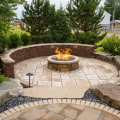
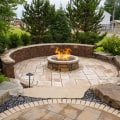
Hard landscaping is a fundamental aspect of landscaping that often goes unnoticed, yet it plays a pivotal role in shaping outdoor environments. At its core, hard landscaping encompasses the use of durable, man-made materials to create structural elements such as patios, walkways, retaining walls, and fences. These components not only provide functionality but also serve as the backbone of any well-designed outdoor space. Understanding the significance of hard landscaping is essential for anyone looking to enhance their garden or yard.The importance of hard landscaping cannot be overstated. Hard landscaping is a fundamental aspect of landscaping that often goes unnoticed, yet it plays a pivotal role in shaping outdoor environments. At its core, hard landscaping encompasses the use of durable, man-made materials to create structural elements such as patios, walkways, retaining walls, and fences. These components not only provide functionality but also serve as the backbone of any well-designed outdoor space. Understanding the significance of hard landscaping is essential for anyone looking to enhance their garden or yard.The importance of hard landscaping cannot be overstated.
It establishes a solid foundation for soft landscaping elements like plants and grass, ensuring that these features thrive in a stable environment. Without proper hardscaping, gardens can suffer from issues such as soil erosion, poor drainage, and inadequate support for plant life. By integrating hard landscaping into your design, you create a harmonious balance between natural and artificial elements, allowing for a more sustainable and aesthetically pleasing outdoor area.Moreover, hard landscaping contributes to the overall functionality of outdoor spaces. It allows for the creation of defined areas for various activities—be it entertaining guests on a patio, creating pathways for easy navigation, or establishing boundaries with fences.
These features not only enhance the usability of the space but also add to its visual appeal. As we delve deeper into the world of hard landscaping, we will explore its various components and how they can transform your outdoor environment into a beautiful and functional oasis.
What is Hard Landscaping?
Hard landscaping is a fundamental aspect of outdoor design that involves the use of non-plant materials to create functional and aesthetic features in a landscape. This concept encompasses a variety of elements, including but not limited to paths, patios, walls, fences, and driveways. Unlike soft landscaping, which focuses on living elements such as plants, trees, and grass, hard landscaping provides the structural backbone that supports and enhances these softer features.To better understand hard landscaping, it is essential to define its key components:- Paths and Walkways: These are crucial for guiding foot traffic through a garden or outdoor space.
They can be made from various materials such as stone, brick, or concrete, and are designed to be both functional and visually appealing.
- Patios and Decks: These areas serve as outdoor living spaces where people can relax or entertain. Patios are typically made from stone or pavers, while decks are often constructed from wood or composite materials.
- Walls and Fences: These structures provide privacy, security, and boundary definition. Retaining walls can also help manage soil erosion and create level areas in sloped landscapes.
- Driveways: A well-constructed driveway not only enhances the curb appeal of a property but also provides a durable surface for vehicles. Materials can range from asphalt to decorative concrete.
While soft landscaping adds beauty and life to a space through greenery and flowers, hard landscaping offers durability and structure. Together, they create a harmonious landscape that is both functional and aesthetically pleasing.In summary, hard landscaping is an essential component of landscape design that involves the strategic use of man-made materials to create lasting features in outdoor spaces. Understanding its definition and types allows homeowners and designers alike to appreciate its significance in achieving a well-rounded landscape.
The Role of Hard Landscaping in Outdoor Design
Hard landscaping plays a pivotal role in the overall design of outdoor spaces, serving as the backbone that supports and enhances soft landscaping elements. By integrating hard materials such as stone, concrete, and wood, designers can create a cohesive and functional environment that not only looks appealing but also meets practical needs.One of the fundamental principles of outdoor design is balance.Hard landscaping elements can help achieve this by providing structure and stability. For instance, a well-placed stone pathway can guide visitors through a garden while simultaneously defining different areas within the landscape. This creates a sense of order and organization, which is essential for any successful design.Another important aspect is functionality. Hard landscaping contributes significantly to the usability of outdoor spaces.
Features like patios, decks, and retaining walls not only enhance aesthetic appeal but also provide essential areas for relaxation and entertainment. These elements allow homeowners to maximize their outdoor living experience, making it possible to host gatherings or simply enjoy quiet moments in nature.Moreover, hard landscaping aids in drainage and water management. Properly designed hard surfaces can direct rainwater away from structures and prevent flooding in gardens. For example, permeable paving allows water to seep through while still providing a solid surface for walking or driving.
This not only protects the integrity of soft landscaping features but also promotes sustainability by reducing runoff.Aesthetically, hard landscaping introduces texture and contrast to outdoor designs. The combination of various materials—such as smooth concrete with rough stone or warm wood—can create visual interest that draws the eye. Additionally, colors can be strategically chosen to complement or contrast with surrounding plants, enhancing the overall beauty of the space.In conclusion, hard landscaping is an essential component of outdoor design that supports both functionality and aesthetics. By thoughtfully incorporating hard elements into a landscape plan, designers can create spaces that are not only visually stunning but also practical and sustainable.
Benefits of Hard Landscaping
Incorporating hard landscaping into outdoor spaces offers a multitude of benefits that extend beyond mere aesthetics.Understanding these advantages can help homeowners and property developers make informed decisions about their landscaping projects.
1.Durability and Longevity
One of the primary benefits of hard landscaping is its durability. Unlike soft landscaping elements, which can be susceptible to wear and tear from weather conditions, foot traffic, and pests, hardscaping materials such as stone, concrete, and brick are designed to withstand the test of time. This resilience means that once installed, hard landscaping features require minimal replacement or repair, making them a cost-effective choice in the long run.
2.Low Maintenance Requirements
Hard landscaping significantly reduces the maintenance burden associated with outdoor spaces. While soft landscaping requires regular watering, pruning, and fertilization, hardscaped areas typically need only occasional cleaning and inspection.
This ease of maintenance allows homeowners to enjoy their outdoor spaces without the constant upkeep that gardens often demand.
3.Effective Water Management
Proper water management is crucial for any outdoor space, and hard landscaping plays a vital role in this aspect. By incorporating features such as permeable paving or drainage systems, hardscaping can help manage rainwater runoff effectively. This not only prevents flooding but also minimizes soil erosion and promotes healthier plant growth in adjacent soft landscaping areas.
4.Enhanced Property Value
Investing in hard landscaping can significantly enhance the value of a property. Well-designed hardscaped areas create inviting outdoor environments that appeal to potential buyers.
Features such as patios, walkways, and retaining walls not only improve functionality but also add visual interest to the property, making it more attractive in the competitive real estate market.
5.Versatility in Design
Hard landscaping offers unparalleled versatility in design options. Homeowners can choose from a wide range of materials, colors, and textures to create unique outdoor spaces that reflect their personal style. Whether opting for a modern look with sleek concrete or a rustic feel with natural stone, hardscaping allows for creativity and customization.
6.Increased Usable Space
By incorporating hardscaping elements such as patios or decks, homeowners can effectively increase their usable outdoor space. These areas provide perfect settings for entertaining guests, relaxing with family, or enjoying outdoor activities without the worry of muddy grass or uneven terrain.In summary, the benefits of hard landscaping are numerous and impactful.
From durability and low maintenance to effective water management and enhanced property value, choosing to incorporate hardscaping into your outdoor design is a decision that pays off in both functionality and aesthetics.
Materials Used in Hard Landscaping
When it comes to hard landscaping, the choice of materials is crucial for both functionality and aesthetics. Various materials can be utilized, each offering unique properties and advantages that cater to different landscaping needs. Below, we explore some of the most common materials used in hard landscaping projects.- Concrete: This versatile material is widely used for creating pathways, patios, and driveways. Concrete can be poured into various shapes and sizes, allowing for creative designs.
Its durability makes it an excellent choice for high-traffic areas, while its ability to withstand harsh weather conditions ensures longevity.
- Brick: Known for its classic appeal, brick is often used in walkways and garden walls. It provides a timeless look and can be arranged in various patterns to enhance visual interest. Additionally, brick is porous, allowing for better drainage compared to solid surfaces.
- Natural Stone: Materials like granite, slate, and limestone offer a natural aesthetic that blends seamlessly with outdoor environments. Each type of stone has its unique texture and color variations, making it ideal for creating stunning patios or retaining walls.
Natural stone is also incredibly durable and can withstand extreme weather conditions.
- Pavers: Available in a variety of materials including concrete, brick, and stone, pavers are a popular choice for driveways and walkways. They come in numerous shapes and colors, allowing homeowners to customize their outdoor spaces easily. Pavers are also easy to replace if damaged.
- Gravel: This material is often used for driveways or as a base layer for other hardscaping elements. Gravel provides excellent drainage and can be an economical option for large areas.
It’s also easy to install and maintain, making it a practical choice for many landscaping projects.
- Wood: While primarily associated with soft landscaping, treated wood can be effectively used in hardscaping as well. It’s commonly used for decks, fences, and raised garden beds. Wood adds warmth to outdoor spaces but requires regular maintenance to prevent decay.
On the other hand, if you desire a more formal look, natural stone or brick may be more suitable.In conclusion, understanding the properties and advantages of different hard landscaping materials is essential for creating functional and visually appealing outdoor spaces. By selecting the best materials tailored to your specific needs, you can ensure that your hardscaping projects not only enhance your landscape but also stand the test of time.
Planning a Hard Landscaping Project
Planning a hard landscaping project requires careful consideration and a structured approach to ensure that the final outcome meets your expectations and enhances your outdoor space. Here’s a step-by-step guide to help you navigate through the planning process effectively.1.Conduct a Site Assessment
- Begin by evaluating the existing conditions of your outdoor area. Take note of the topography, soil type, drainage patterns, and any existing structures or vegetation that may impact your design.
- Identify any potential challenges such as slopes, poor drainage, or areas prone to erosion.
Understanding these factors will help you make informed decisions about materials and design elements.
2.Define Your Goals and Needs
- Consider what you want to achieve with your hard landscaping project. Are you looking to create functional spaces for entertaining, improve accessibility, or enhance the aesthetic appeal of your property?
- Make a list of must-have features such as pathways, patios, retaining walls, or outdoor seating areas. This will guide your design process and help prioritize elements based on your budget.
3.Create a Design Plan
- Sketch out a preliminary design that incorporates your goals and site assessment findings. Use graph paper or digital design tools to visualize the layout.
- Consider the flow of movement through the space and how different elements will interact with one another.
Ensure that your design allows for adequate drainage and maintenance access.
4.Establish a Budget
- Determine how much you are willing to invest in your hard landscaping project. Include costs for materials, labor, permits, and any additional features you may want to incorporate.
- Research different materials and their costs to find options that fit within your budget while still meeting your aesthetic and functional needs.
5.Hire Professionals if Necessary
- If your project is extensive or requires specialized skills, consider hiring professionals such as landscape architects or contractors who have experience in hard landscaping.
- Check their credentials, ask for references, and review their previous work to ensure they align with your vision and standards.
Common Hard Landscaping Techniques
Hard landscaping encompasses a variety of techniques that are essential for creating functional and visually appealing outdoor spaces. These methods not only enhance the aesthetic appeal of a garden but also contribute to its overall functionality and sustainability. Below are some of the most common hard landscaping techniques employed by professionals in the field.Paving
Paving is one of the most popular hardscaping practices, providing durable surfaces for walkways, patios, and driveways.Various materials can be used for paving, including:
- Concrete: A versatile option that can be poured into any shape and finished in numerous ways.
- Natural Stone: Offers a unique, organic look with options like slate, granite, and limestone.
- Brick: Provides a classic aesthetic and is available in various colors and patterns.
- Pavers: Pre-cast concrete blocks that come in different shapes and sizes, allowing for creative designs.
Wall Construction
Walls serve multiple purposes in hard landscaping, from providing privacy to creating elevation changes within a garden. Common types of walls include:- Retaining Walls: These structures hold back soil and prevent erosion while adding visual interest to sloped areas.
- Garden Walls: Often used to define spaces or create boundaries within a landscape.
- Decorative Walls: Made from materials like stone or brick, these walls enhance the aesthetic appeal of outdoor areas.
Drainage Solutions
A critical aspect of hard landscaping is effective drainage management. Poor drainage can lead to water pooling, which can damage plants and hardscape features alike. Common drainage solutions include:- French Drains: A trench filled with gravel or rock that redirects surface water away from specific areas.
- Channel Drains: Installed along driveways or patios to collect and redirect water efficiently.
- Permeable Paving: Allows water to seep through the surface, reducing runoff and promoting groundwater recharge.
By combining various methods such as paving, wall construction, and effective drainage solutions, professionals can ensure that landscapes are both beautiful and functional.
Challenges in Hard Landscaping and Solutions
Hard landscaping projects, while essential for creating a functional and aesthetically pleasing outdoor space, often come with their own set of challenges. Understanding these challenges and knowing how to address them is crucial for achieving successful results.1.Soil Erosion and Stability Issues
One of the most common challenges in hard landscaping is dealing with soil erosion and stability. Areas with steep slopes or loose soil can lead to significant erosion, which can undermine hardscape features like patios and retaining walls. To combat this, it is essential to:
- Conduct a thorough site analysis to understand the soil composition and drainage patterns.
- Implement proper grading techniques to direct water away from hardscaped areas.
- Utilize retaining walls or terracing to stabilize slopes and prevent erosion.
2.Drainage Problems
Effective drainage is vital in hard landscaping, as poor drainage can lead to water pooling, which damages both hardscape and softscape elements.
To ensure proper drainage:
- Incorporate permeable materials that allow water to pass through, reducing runoff.
- Install drainage systems such as French drains or catch basins to redirect excess water.
- Regularly maintain these systems to prevent blockages and ensure optimal performance.
3.Material Selection
The choice of materials can significantly impact the durability and appearance of hardscaping features. Using low-quality materials may lead to cracking, fading, or other forms of deterioration over time. To avoid these issues:
- Select high-quality materials that are suitable for the local climate and intended use.
- Consult with professionals who can recommend the best options based on your specific needs.
- Consider the long-term maintenance requirements of different materials before making a decision.
4.Design Challenges
A well-thought-out design is crucial for successful hard landscaping. Poorly planned layouts can result in inefficient use of space or aesthetic imbalances.
To overcome design challenges:
- Engage a landscape architect or designer who can create a cohesive plan that integrates both hard and soft landscaping elements.
- Utilize 3D modeling tools to visualize the project before implementation, allowing for adjustments as needed.
- Incorporate feedback from stakeholders to ensure the design meets functional and aesthetic goals.
5.Weather Conditions
Weather can pose significant challenges during hard landscaping projects, particularly in regions with extreme temperatures or frequent rainfall. To mitigate weather-related issues:
- Plan construction schedules around seasonal weather patterns to avoid delays.
- Use weather-resistant materials that can withstand local conditions.
- Implement protective measures during installation, such as covering materials during rain or extreme heat.
Case Studies: Successful Hard Landscaping Projects
To truly appreciate the significance of hard landscaping, examining real-life case studies can provide invaluable insights. These examples highlight how thoughtful design and execution can transform outdoor spaces into functional and aesthetically pleasing environments.Case Study 1: Urban Rooftop Garden
In a bustling city, a commercial building sought to create a rooftop garden that would serve as a green oasis for employees.The project involved extensive hard landscaping, including the installation of durable decking, raised planters, and seating areas. The use of permeable pavers allowed for effective water drainage while maintaining a visually appealing surface. This project not only enhanced the building's aesthetic but also provided a much-needed recreational space, demonstrating how hard landscaping can elevate urban environments.
Case Study 2: Residential Backyard Retreat
A homeowner in a suburban area wanted to transform their underutilized backyard into a family-friendly retreat. The hard landscaping elements included a stone patio, a fire pit, and pathways made from natural stone.These features created defined areas for dining and relaxation while ensuring durability against weather conditions. The integration of lighting along the pathways added safety and ambiance, showcasing how hardscaping can enhance both functionality and beauty in residential settings.
Case Study 3: Community Park Revitalization
A local community park underwent revitalization to improve accessibility and usability for families. The project included the installation of concrete walkways, picnic areas with built-in benches, and an amphitheater for community events. By incorporating hard landscaping elements, the park became more inviting and functional, encouraging community engagement.This case illustrates how well-planned hardscaping can foster social interaction and enhance public spaces.These case studies exemplify the transformative power of hard landscaping. By integrating durable materials and thoughtful design, these projects not only improved the visual appeal of their respective spaces but also enhanced their functionality and usability. As we continue to explore the importance of hard landscaping, it becomes clear that these projects are essential in creating sustainable and enjoyable outdoor environments.
Conclusion: The Lasting Impact of Hard Landscaping
In conclusion, the significance of hard landscaping cannot be overstated when it comes to crafting outdoor spaces that are not only visually appealing but also functional and sustainable. Throughout this article, we have explored various aspects of hard landscaping, highlighting its essential role in establishing a solid foundation for soft landscaping elements.One of the primary takeaways is that hard landscaping provides the necessary structure and durability that supports the overall design of any garden or outdoor area.By incorporating materials such as stone, concrete, and wood, we create pathways, patios, and retaining walls that enhance both the aesthetic and practical aspects of a landscape. These features not only guide foot traffic but also define spaces, making them more usable and enjoyable.Moreover, hard landscaping plays a critical role in managing water drainage and soil erosion. Properly designed hardscapes can direct rainwater away from vulnerable areas, reducing the risk of flooding and maintaining the integrity of the soil. This is particularly important in regions prone to heavy rainfall or where soil stability is a concern.Additionally, the use of innovative materials like NattraTex demonstrates how hard landscaping can adapt to modern needs while providing safe and attractive surfaces.
Such materials not only enhance the visual appeal but also contribute to sustainability by minimizing environmental impact.Ultimately, investing in quality hard landscaping is an investment in the longevity and functionality of your outdoor space. It sets the stage for soft landscaping to flourish while ensuring that your garden remains resilient against the elements. As we move forward in our understanding of landscape design, let us recognize that hard landscaping is not merely an afterthought; it is a fundamental component that shapes our outdoor experiences.In summary, whether you are a homeowner looking to enhance your property or a professional landscaper aiming to create stunning environments, prioritizing hard landscaping will yield lasting benefits. It is this careful balance between hard and soft elements that transforms ordinary spaces into extraordinary landscapes.