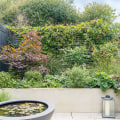
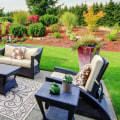
When it comes to creating stunning outdoor environments, understanding the concept of hardscape is essential. Hardscape refers to the non-plant elements of landscaping, encompassing a wide range of materials and structures that provide both functionality and aesthetic appeal. This includes features such as patios, walkways, retaining walls, and decorative elements like fountains and fire pits. By integrating these solid components into your landscape design, you can significantly enhance the usability and visual charm of your outdoor space.The importance of hardscape in landscaping cannot be overstated.
It serves as the backbone of any outdoor area, offering structure and organization that plants alone cannot provide. For instance, a well-designed patio can create a designated space for dining or relaxation, while a thoughtfully placed walkway can guide visitors through your garden, making it easier to navigate and enjoy. Moreover, hardscape elements help define different zones within your landscape, allowing for a seamless transition between various areas such as entertainment spaces, gardens, and play zones.In addition to their practical benefits, hardscape features contribute significantly to the overall aesthetic of your property. The choice of materials—be it natural stone, brick, or concrete—can add texture and contrast to your landscape design.
This not only enhances visual interest but also complements the surrounding flora. Furthermore, hardscape elements are typically low-maintenance compared to plants, making them a practical choice for homeowners who desire beautiful outdoor spaces without the constant upkeep.Ultimately, understanding hardscape is crucial for anyone looking to create a beautiful and functional outdoor environment. By incorporating various hardscape elements into your landscaping plan, you can achieve a harmonious balance between nature and structure that elevates your outdoor experience.
Key Hardscape Elements in Landscaping
When it comes to enhancing outdoor spaces, understanding the various hardscape elements is essential. These features not only serve practical purposes but also contribute significantly to the overall aesthetic of your landscape design.Below are some key hardscape elements that can transform your outdoor area.
Patios
A patio is a versatile outdoor space that can be used for dining, entertaining, or simply relaxing. Typically constructed from materials such as concrete, brick, or natural stone, patios can be designed in various shapes and sizes to fit your specific needs. They provide a stable surface for furniture and can be adorned with outdoor rugs, lighting, and plants to create a welcoming atmosphere.Walkways
Walkways are essential for guiding visitors through your landscape while adding structure and flow. They can be made from a variety of materials, including pavers, gravel, or flagstone.A well-designed walkway not only enhances accessibility but also serves as a visual pathway that connects different areas of your yard, making it easier to navigate.
Fire Pits
A fire pit is a popular addition to many outdoor spaces, providing warmth and a focal point for gatherings. Available in various styles—from traditional stone designs to modern metal options—fire pits can be customized to fit your landscape's theme. They create an inviting atmosphere for evening get-togethers and can be surrounded by seating for added comfort.A fire pit is a popular addition to many outdoor spaces, providing warmth and a focal point for gatherings. Available in various styles—from traditional stone designs to modern metal options—fire pits can be customized to fit your landscape's theme. They create an inviting atmosphere for evening get-togethers and can be surrounded by seating for added comfort.Fountains
Fountains add a touch of elegance and tranquility to any outdoor space. They come in numerous styles, from classic tiered designs to contemporary wall-mounted options.The soothing sound of flowing water not only enhances the ambiance but also attracts wildlife, creating a lively ecosystem in your garden.
Retaining Walls
Retaining walls are functional structures that help manage soil erosion and create level areas in sloped landscapes. Made from materials like stone, concrete blocks, or timber, these walls can also serve as decorative elements, providing opportunities for planting flowers or shrubs on top.Pergolas and Gazebos
Pergolas and gazebos offer shaded areas for relaxation and entertainment. These structures can be constructed from wood or metal and can be adorned with climbing plants or draped fabrics for added charm. They create defined spaces within your landscape, making them perfect for outdoor dining or lounging.Incorporating these hardscape features into your landscaping not only enhances functionality but also elevates the visual appeal of your outdoor space.By carefully selecting materials and designs that complement your home and garden, you can create a cohesive environment that reflects your personal style.
The Aesthetic Value of Hardscape in Landscaping
When it comes to landscaping, the aesthetic value of hardscape cannot be overstated. Hardscape elements serve as the backbone of outdoor design, providing not only functionality but also a striking visual appeal that enhances the overall atmosphere of a space. By incorporating various materials, colors, and textures, hardscape features can transform an ordinary yard into a stunning outdoor retreat.One of the primary ways hardscape contributes to visual appeal is through texture. Different materials such as stone, brick, and concrete offer unique tactile experiences that can complement or contrast with the surrounding softscape elements like plants and grass.For instance, a rough-hewn stone pathway can create a rustic charm that pairs beautifully with lush greenery, while sleek concrete pavers can lend a modern touch to a minimalist garden.Color is another critical aspect of hardscape design. The hues of hardscape materials can either harmonize with or stand out against the natural colors of your landscape. Warm-toned bricks can evoke a cozy, inviting feel, while cool-toned stones can create a serene and calming environment. By carefully selecting colors that align with your overall design vision, you can enhance the aesthetic appeal of your outdoor space.Moreover, the integration of hardscape and softscape is essential for achieving a balanced landscape design.
While softscape elements like flowers and shrubs provide life and movement, hardscape features offer stability and structure. This balance is crucial in creating an inviting atmosphere where people want to spend time. For example, a beautifully designed patio surrounded by vibrant flower beds not only serves as an outdoor living area but also becomes a focal point that draws the eye.Incorporating design elements such as walkways , retaining walls , and focal points can further enhance the aesthetic value of your landscape. Walkways guide visitors through your outdoor space while adding visual interest; retaining walls can create levels and depth; and focal points like fire pits or water features can serve as conversation starters and gathering spots.Ultimately, the aesthetic benefits of hardscape in landscaping are profound.
By thoughtfully integrating various materials, colors, and design elements, you can create an outdoor space that is not only functional but also visually captivating. This harmonious blend of hardscape and softscape will ensure that your landscape remains beautiful throughout the seasons, providing enjoyment for years to come.
Functional Benefits of Hardscape in Outdoor Spaces
When it comes to enhancing the usability of outdoor spaces, hardscape features offer a multitude of functional benefits that can transform any landscape into a practical and enjoyable environment. These elements not only serve aesthetic purposes but also provide essential functionalities that cater to various activities.Durability
is one of the most significant advantages of incorporating hardscape into your outdoor design. Unlike plants, which can be susceptible to seasonal changes, pests, and diseases, hardscape materials such as stone, brick, and concrete are built to withstand the test of time.
This resilience means that once installed, hardscape features require minimal repairs and can endure harsh weather conditions without deteriorating. This longevity makes them a wise investment for homeowners looking to create lasting outdoor spaces.Another key benefit is the low maintenance nature of hardscape elements. While gardens and lawns require regular watering, pruning, and fertilization, hardscape features allow you to enjoy your outdoor space without the constant upkeep associated with plant life. For busy homeowners or those who prefer to spend their time enjoying their yard rather than maintaining it, hardscape provides a practical solution that minimizes labor while maximizing enjoyment.Moreover, hardscape plays a crucial role in defining spaces within your outdoor area.
By strategically placing patios, walkways, and retaining walls, you can create distinct zones for various activities. For instance:
- Patios : These paved areas can serve as outdoor dining rooms or relaxation spots, making them perfect for entertaining guests or enjoying family meals al fresco.
- Walkways : Not only do they provide safe passage through your garden or yard, but they also guide visitors through different areas of your landscape, enhancing the overall flow and usability.
- Fire Pits : These features not only add warmth but also create a cozy gathering spot for friends and family during cooler evenings.
Choosing the Right Materials for Hardscaping
When it comes to hardscaping, the choice of materials is pivotal in achieving both aesthetic appeal and functionality.Selecting the right materials can enhance the beauty of your outdoor space while ensuring durability and ease of maintenance. Here are some essential factors to consider when choosing materials for your hardscape features.
1.Climate Considerations
- Temperature Variations: In regions with extreme temperature fluctuations, materials like concrete and brick are ideal due to their ability to withstand thermal expansion and contraction.
- Moisture Levels: If you live in a wet climate, opt for materials that resist water damage, such as natural stone or porous pavers, which allow for proper drainage.
- Snow and Ice: For areas prone to snow, consider using textured surfaces that provide traction, such as textured concrete or flagstone.
2.Style Preferences
- Architectural Style: The materials you choose should complement your home’s architectural style. For instance, a modern home may benefit from sleek concrete slabs, while a rustic cottage might look best with natural stone.
- Color Palette: Consider the color scheme of your landscape. Neutral tones like gray and beige can create a timeless look, while vibrant colors can add a playful touch.
- Texture Variety: Mixing different textures can add depth to your design.
Combining smooth surfaces with rough-hewn stones can create visual interest.
3.Budget Considerations
- Material Costs: Some materials, like natural stone, can be more expensive than others, such as concrete pavers. Assess your budget and prioritize features that will provide the most value.
- Installation Expenses: Factor in the cost of installation, as some materials may require professional installation, which can increase overall expenses.
- Long-Term Value: While cheaper options may save money upfront, investing in durable materials can reduce maintenance costs over time.
Integrating Hardscape with Softscape: A Balanced Approach
Creating a harmonious outdoor space requires a thoughtful integration of both hardscape and softscape elements. While hardscape provides the structural foundation of your landscape, softscape—comprising plants, flowers, and other organic materials—adds life, color, and texture.Achieving a balance between these two components is essential for a cohesive and inviting environment.
Understanding the Role of Each Element
Hardscape features such as patios, walkways, and retaining walls serve functional purposes while also contributing to the aesthetic appeal of your outdoor area. In contrast, softscape elements like trees, shrubs, and flower beds bring vibrancy and seasonal changes to the landscape. When these two aspects are thoughtfully combined, they can enhance each other's strengths.
Design Strategies for Effective Integration
- Layering: Use layering techniques to create depth in your design. For instance, place taller plants behind shorter ones to frame hardscape features like benches or fire pits.
- Color Coordination: Choose plants that complement the colors of your hardscape materials.
For example, if you have a warm-toned brick patio, consider incorporating plants with similar hues to create a unified look.
- Texture Contrast: Mix different textures to add visual interest. Smooth stone pathways can be paired with feathery grasses or bold-leaved plants to create a dynamic contrast.
- Functional Zones: Define specific areas within your outdoor space by using hardscape elements as boundaries. For example, a stone wall can separate a dining area from a garden, while still allowing for softscape features to flow seamlessly between them.
Seasonal Considerations
When planning your landscape design, consider how both hardscape and softscape will look throughout the seasons. Select evergreen plants that provide year-round interest alongside seasonal blooms that will enhance the beauty of your hardscape during specific times of the year.
The Importance of Professional Guidance
While DIY projects can be rewarding, enlisting the help of professional landscape designers can ensure that your hardscape and softscape elements are integrated effectively.
Experts can provide insights into plant selection, material compatibility, and design principles that enhance both functionality and aesthetics.In conclusion, achieving a balanced approach between hardscape and softscape is vital for creating an outdoor space that is not only beautiful but also functional. By employing thoughtful design strategies and considering seasonal changes, you can cultivate an inviting environment that reflects your personal style while enhancing the overall landscape experience.
DIY vs. Professional Installation: What You Need to Know
When it comes to hardscaping, one of the most significant decisions homeowners face is whether to tackle the project themselves or hire a professional landscaping service. Each option has its own set of advantages and disadvantages, and understanding these can help you make an informed choice that aligns with your vision, budget, and skill level.DIY Hardscaping: Pros and Cons
Choosing to go the DIY route can be appealing for several reasons:- Cost Savings: One of the most significant benefits of DIY hardscaping is the potential for cost savings.
By eliminating labor costs, you can allocate more of your budget toward materials and design elements.
- Personal Satisfaction: Completing a hardscaping project on your own can provide a sense of accomplishment. You have the opportunity to create a space that reflects your personal style and preferences.
- Flexibility: DIY projects allow you to work at your own pace. You can take breaks as needed and adjust your plans based on your evolving vision.
- Skill Level: Hardscaping requires a certain level of expertise, especially when it comes to design, layout, and installation techniques. Without prior experience, you may encounter difficulties that could lead to costly mistakes.
- Time-Consuming: DIY projects often take longer than anticipated.
If you have a busy schedule or lack the necessary tools, completing the project may become a daunting task.
- Lack of Professional Insight: Professionals bring valuable knowledge about materials, drainage solutions, and design principles that can enhance the functionality and aesthetics of your outdoor space.
Professional Installation: Pros and Cons
Hiring a professional landscaping service offers its own set of benefits:- Expertise: Professionals have extensive training and experience in hardscaping. They understand how to create designs that are not only beautiful but also functional and sustainable.
- Quality Assurance: With professional installation, you can expect high-quality workmanship. This reduces the likelihood of issues arising in the future, such as uneven surfaces or drainage problems.
- Time Efficiency: Professionals can complete projects more quickly than most homeowners due to their experience and access to specialized tools.
- Higher Costs: The most apparent drawback is the cost. Hiring professionals means paying for their expertise and labor, which can significantly increase your overall budget.
- Lack of Control: When you hire someone else, you may have less control over the project timeline and design choices.
It’s essential to communicate clearly with your contractor to ensure your vision is realized.
Maintenance Tips for Hardscaped Areas
Maintaining hardscaped areas is essential for preserving their beauty and functionality over time. With the right care, your patios, walkways, and other hardscape features can remain in excellent condition, enhancing your outdoor space for years to come.Here are some practical maintenance tips to keep your hardscaped areas looking their best.
Regular Cleaning
One of the simplest yet most effective ways to maintain hardscaped surfaces is through regular cleaning. Here are some steps to follow:- Remove Debris: Regularly sweep or blow away leaves, dirt, and other debris that can accumulate on hard surfaces. This prevents staining and keeps your outdoor space tidy.
- Wash Surfaces: Use a pressure washer or a hose with a high-pressure nozzle to clean patios and walkways. For stubborn stains, consider using a mild detergent mixed with water.
Always test a small area first to ensure the cleaner does not damage the surface.
- Address Stains Promptly: If you notice any spills or stains, such as oil or food residue, clean them immediately to prevent permanent discoloration.
Seasonal Care
Different seasons bring unique challenges for hardscape maintenance. Here are some seasonal care recommendations:- Spring: After winter, inspect your hardscaped areas for any damage caused by freezing temperatures. Clean thoroughly and consider applying a sealant to protect against moisture and stains.
- Summer: During hot months, check for weeds that may sprout in cracks or joints. Use a weed killer or pull them out by hand.
Ensure that any outdoor furniture is cleaned and stored properly when not in use.
- Fall: As leaves begin to fall, make it a habit to clear them regularly from your hardscaped surfaces. This will prevent mold growth and staining from decomposing leaves.
- Winter: In colder climates, be cautious with de-icing products that can damage concrete or stone surfaces. Instead, use sand for traction and remove snow promptly to prevent ice formation.
Inspection and Repairs
Regularly inspect your hardscape features for any signs of wear or damage. Look for cracks in concrete or shifting stones in patios and walkways.Addressing these issues early can prevent more extensive repairs down the line. If you notice significant damage, consider consulting a professional for repairs.By following these maintenance tips, you can ensure that your hardscaped areas remain beautiful and functional throughout the year. A little effort goes a long way in preserving the integrity of your outdoor spaces, allowing you to enjoy them fully for many seasons to come.
Case Studies: Successful Hardscaping Projects
When it comes to hardscaping, real-life examples can serve as a powerful source of inspiration. Below are several case studies that highlight successful hardscaping projects, showcasing various styles and solutions that can enhance outdoor spaces.1.The Urban Oasis
In a bustling city environment, one homeowner transformed a small, neglected backyard into a serene urban oasis.By incorporating a paver patio with built-in seating and a fire pit, the space became an ideal spot for relaxation and entertaining. The use of natural stone for the patio not only provided durability but also blended seamlessly with the surrounding greenery. Additionally, strategically placed lighting highlighted the hardscape features, creating an inviting atmosphere during the evening hours.
2.Family-Friendly Backyard
A family in the suburbs wanted to create a safe and functional outdoor area for their children to play while also accommodating adult gatherings. They opted for a multi-level deck made from composite materials, which required minimal maintenance and offered safety features like rounded edges.Adjacent to the deck, a stone pathway led to a designated play area filled with soft grass and bordered by decorative boulders. This project exemplified how hardscaping can cater to both family needs and aesthetic appeal.
3.Rustic Retreat
A couple seeking a rustic retreat in their backyard chose to incorporate reclaimed wood and natural stone into their hardscape design. They built a large outdoor kitchen complete with a stone grill and bar area, perfect for hosting summer barbecues. The surrounding landscape featured flagstone walkways that connected various seating areas, including a cozy fire pit surrounded by log benches.This project not only enhanced functionality but also created a warm, inviting atmosphere that echoed the couple's love for nature.
4.Elegant Entertaining Space
A homeowner with a passion for entertaining decided to elevate their outdoor space by installing an expansive travertine patio. This elegant surface was complemented by an outdoor dining area and an adjacent water feature that added tranquility to the environment. The project included built-in planters filled with vibrant flowers, which softened the hardscape elements while providing visual interest. This case study illustrates how hardscaping can be both luxurious and practical.These case studies demonstrate that successful hardscaping projects can vary widely in style and function, yet all share common elements of thoughtful design and execution.Whether you are looking to create an urban retreat or a family-friendly space, these examples can inspire your own landscaping endeavors.
Conclusion: The Lasting Impact of Hardscape on Outdoor Spaces
In summary, the role of hardscape in landscaping cannot be overstated. It serves as the backbone of any outdoor design, providing not only aesthetic appeal but also functionality and durability. As we have explored, hardscape elements such as patios, walkways, and fire pits are essential in defining spaces and enhancing the overall experience of your outdoor environment.One of the most significant advantages of incorporating hardscape into your landscape design is its ability to create structure. By establishing clear boundaries and designated areas for various activities, hardscape features help to organize your outdoor space effectively.For instance, a well-placed patio can transform a simple backyard into an inviting area for entertaining guests or enjoying family meals under the stars.Moreover, hardscape materials are incredibly versatile. From natural stone to modern concrete, the options available allow homeowners to tailor their outdoor spaces to reflect personal style and preferences. This versatility extends beyond aesthetics; it also includes functionality. Features like outdoor kitchens and seating areas can be designed to meet specific needs, making your outdoor space not just beautiful but also practical.Durability is another key factor that makes hardscape an invaluable component of landscaping.
Unlike plants that require ongoing maintenance and care, hardscape elements are built to withstand the elements and provide long-lasting enjoyment. This durability translates into cost-effectiveness over time, as homeowners can invest in quality materials that require minimal upkeep.Finally, the visual interest that hardscape adds to an outdoor space cannot be overlooked. By incorporating various textures, colors, and patterns, you can create a dynamic landscape that captivates the eye. Whether it’s a winding stone pathway leading to a tranquil fountain or a cozy fire pit surrounded by comfortable seating, these features enhance the beauty of your property while inviting relaxation and enjoyment.In conclusion, hardscape is not merely an accessory in landscaping; it is a fundamental element that shapes the character and functionality of outdoor spaces.
By thoughtfully integrating hardscape features into your landscape design, you can create an environment that is both beautiful and practical—one that you and your family will cherish for years to come.