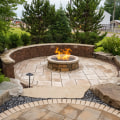
Landscape design is more than just arranging plants and flowers; it is a thoughtful process that combines art and science to create outdoor spaces that are both functional and visually appealing. The essence of landscaping lies in understanding how various elements interact with one another to form a cohesive environment. Whether you are designing a small garden, a sprawling estate, or a public park, the principles of landscape design play a crucial role in shaping the experience of those who inhabit these spaces. For those looking to enhance their outdoor areas, consider exploring Personalizing Your Garden and Patio Décor Tips.At its core, effective landscape design considers the unique characteristics of the site, including its topography, climate, and existing vegetation. Landscape design is more than just arranging plants and flowers; it is a thoughtful process that combines art and science to create outdoor spaces that are both functional and visually appealing. The essence of landscaping lies in understanding how various elements interact with one another to form a cohesive environment. Whether you are designing a small garden, a sprawling estate, or a public park, the principles of landscape design play a crucial role in shaping the experience of those who inhabit these spaces. For those looking to enhance their outdoor areas, consider exploring Personalizing Your Garden and Patio Décor Tips.At its core, effective landscape design considers the unique characteristics of the site, including its topography, climate, and existing vegetation.
By analyzing these factors, designers can create outdoor environments that not only enhance the natural beauty of the area but also serve practical purposes. For instance, well-planned landscaping can improve drainage, provide shade, and even reduce energy costs by strategically placing trees and shrubs around buildings.Moreover, the art of landscape design is deeply rooted in the understanding of essential elements such as line, shape, color, texture, and scale. Each of these components contributes to the overall aesthetic and functionality of a space. Lines can guide the eye and create movement, while shapes can define areas and establish focal points.
Color adds vibrancy and mood, texture introduces depth and interest, and scale ensures that all elements work harmoniously together.As we explore the fundamental elements of landscape design in greater detail, it becomes clear that successful landscaping is not merely about beautification; it is about creating environments that resonate with their surroundings and meet the needs of their users. By mastering these principles, anyone can transform an ordinary outdoor space into an extraordinary one.
Understanding the Five Fundamental Elements of Landscape Design
In the realm of landscaping, understanding the five fundamental elements of landscape design is crucial for creating spaces that are not only beautiful but also functional. These elements—line, shape, color, texture, and scale—serve as the building blocks of any successful landscape project. Let’s explore each of these components in detail.Line
Lines are the most basic yet powerful element in landscape design.They guide the eye and create movement within a space. Lines can be straight, curved, vertical, or horizontal, and each type conveys a different feeling:
- Straight lines often evoke a sense of order and formality.
- Curved lines introduce a more relaxed and organic feel, mimicking natural forms.
- Vertical lines can create a sense of height and drama, while horizontal lines tend to promote tranquility.
Shape
The shape of elements within a landscape contributes significantly to its overall aesthetic. Shapes can be geometric or organic:- Geometric shapes , such as squares and circles, provide structure and clarity.
- Organic shapes , which are often found in nature, add softness and fluidity.
Color
Color is one of the most impactful elements in landscaping. It can set the mood, highlight features, and even influence emotions.When selecting colors for a landscape:
- Warm colors , like reds and yellows, tend to energize a space.
- Cool colors , such as blues and greens, promote calmness and relaxation.
Texture
Texture refers to the surface quality of materials used in landscaping. It adds depth and dimension to a design:- Smooth textures , like polished stones or sleek metal, convey modernity.
- Rough textures , such as bark or stone walls, evoke a rustic charm.
Scale
The scale of elements in a landscape determines how they relate to one another and to the surrounding environment. Proper scale ensures that features are proportionate:- Larger elements , like trees or sculptures, can serve as focal points.
- Smaller plants or decorative items can complement these larger features without overwhelming them.
The Role of Line in Landscape Design
In the realm of landscape design, the concept of line serves as a fundamental building block that shapes the overall aesthetic and functionality of outdoor spaces.Lines can be both literal and implied, guiding the viewer's eye and influencing how one experiences a landscape. Understanding the various types of lines and their applications is crucial for any landscape designer aiming to create harmonious and engaging environments.
Types of Lines in Landscaping
- Straight Lines: These lines convey a sense of order and structure. They are often used in pathways, fences, and garden beds to create defined borders. Straight lines can lead the eye directly to focal points, such as a sculpture or a water feature, enhancing the overall flow of the landscape.
- Curved Lines: In contrast to straight lines, curves introduce a sense of softness and movement.
They can mimic natural forms found in nature, such as rolling hills or meandering rivers. Curved paths can create a more relaxed atmosphere, inviting exploration and discovery within the landscape.
- Diagonal Lines: These lines add dynamism and energy to a design. By breaking away from the traditional horizontal and vertical orientations, diagonal lines can create visual interest and draw attention to specific areas. They are often used in planting arrangements or in the layout of hardscapes.
- Implied Lines: Sometimes, lines are not physically present but are suggested through the arrangement of elements within the landscape.
For example, a row of trees or shrubs can create an implied line that guides movement through a space without being overtly defined.
Creating Movement with Lines
Lines also play a crucial role in creating movement within a landscape. By directing the viewer's gaze along pathways or through garden beds, lines can lead individuals on a journey through the space. This movement not only enhances visual interest but also encourages interaction with various elements within the landscape.In conclusion, understanding how to effectively incorporate line into landscaping is essential for creating cohesive and engaging outdoor environments.
Whether through straight paths that provide structure or gentle curves that invite exploration, lines are powerful tools that help define spaces and guide experiences in landscape design.
Exploring Shape: The Foundation of Landscape Layout
When it comes to landscaping, the concept of shape serves as a fundamental building block in the overall design. Shapes can significantly influence how we perceive space, balance, and harmony within a garden or outdoor area. Understanding the role of shape in landscape design allows for the creation of environments that are not only aesthetically pleasing but also functional and inviting.Shapes in landscaping can be broadly categorized into two types: geometric and organic. Each type brings its own unique characteristics and emotional responses, which can greatly affect the atmosphere of a space.Geometric Shapes
Geometric shapes are defined by their precise lines and angles, often creating a sense of order and structure.Common geometric shapes used in landscaping include squares, rectangles, circles, and triangles. These shapes can be employed in various elements such as pathways, patios, and garden beds.
- Squares and Rectangles: These shapes are often used to create formal gardens or structured layouts. They provide a sense of stability and can help define specific areas within a landscape.
- Circles: Circular shapes can evoke feelings of unity and wholeness. They are often used for focal points, such as circular flower beds or seating areas, drawing the eye inward.
- Triangles: Triangular shapes can add dynamic energy to a landscape.
They can be used to direct movement or create visual interest through the arrangement of plants or hardscape features.
Organic Shapes
In contrast to geometric shapes, organic shapes are characterized by their irregularity and fluidity. These shapes mimic the natural forms found in nature, such as the curves of a river or the silhouette of a tree. Incorporating organic shapes into landscape design can create a more relaxed and inviting atmosphere.- Curved Pathways: Instead of straight lines, using curved pathways can lead visitors through a garden in a more natural way, encouraging exploration and discovery.
- Freeform Plant Beds: Organic plant beds that flow with the landscape can soften hard edges and create a more harmonious environment.
- Naturalistic Features: Elements like ponds or rock formations that follow organic lines can enhance the overall aesthetic while blending seamlessly with the surrounding environment.
For instance, pairing structured geometric elements with soft organic forms can lead to an engaging landscape that feels both organized and inviting.Ultimately, understanding how shape influences perception is essential for any landscape designer. By thoughtfully considering the shapes used in landscaping, one can craft outdoor spaces that resonate with beauty, functionality, and emotional appeal.
Color Theory in Landscaping: Creating Mood and Atmosphere
Color is a powerful tool in landscape design, capable of transforming an ordinary garden into a captivating outdoor retreat. Understanding color theory is essential for any landscape designer, as it allows for the creation of spaces that not only look beautiful but also evoke specific emotions and set the desired mood.Different colors can influence our feelings and perceptions. For instance, warm colors like reds, oranges, and yellows tend to create a sense of warmth and energy.These hues are perfect for spaces intended for social gatherings or lively activities. In contrast, cool colors such as blues, greens, and purples promote calmness and tranquility, making them ideal for serene gardens or relaxation areas.
Understanding Color Combinations
When selecting a color palette for your landscape, consider the principles of color harmony. There are several approaches to combining colors:- Complementary Colors: These are colors that are opposite each other on the color wheel, such as blue and orange. Using complementary colors can create a vibrant and dynamic look.
- Analogous Colors: These colors sit next to each other on the color wheel, like blue, blue-green, and green.
This combination tends to be more harmonious and soothing.
- Monochromatic Schemes: This approach uses variations in lightness and saturation of a single color. It can create a sophisticated and cohesive look.
Practical Tips for Color Selection
When choosing colors for your landscape design, keep these practical tips in mind:- Assess Your Environment: Take note of existing structures and natural elements in your space. The colors of your home or surrounding landscape can influence your choices.
- Consider Lighting: Natural light can alter how colors appear.
Observe your garden at different times of day to see how light affects your chosen palette.
- Think About Functionality: Different areas may serve different purposes. Use vibrant colors in active spaces and softer tones in quiet areas to enhance their intended use.
Texture: Adding Depth and Interest to Your Landscape
Texture plays a pivotal role in landscaping, serving as a vital element that adds depth and interest to outdoor spaces. By incorporating a variety of textures, landscape designers can create visually stimulating environments that engage the senses and enhance the overall aesthetic appeal of a garden or yard.When we talk about texture in landscaping, we refer to the surface quality of materials and plants, which can be smooth, rough, glossy, or matte.This diversity in texture can evoke different feelings and atmospheres within a space. For instance, soft, feathery grasses can create a sense of tranquility, while bold, jagged stones can impart strength and stability.
Creating Contrast with Textures
One effective way to utilize texture is through contrast. By juxtaposing different textures, you can draw attention to specific areas of your landscape. For example:- Soft vs.
Hard:
Pairing soft, flowing plants like ornamental grasses with hardscape elements such as stone pathways or wooden decks creates a dynamic interplay that captures the eye. - Fine vs. Coarse: Combining fine-textured plants like lavender with coarse-textured foliage such as large-leaved hostas can add visual complexity and intrigue.
- Glossy vs. Matte: Using glossy materials like polished stone alongside matte surfaces like untreated wood can create a striking contrast that enhances the overall design.
Incorporating Texture Through Plant Selection
The choice of plants is crucial when considering texture in landscaping. Different species offer unique textural qualities that can transform a garden:- Succulents: These plants often have smooth, fleshy leaves that provide a modern touch and are perfect for contemporary landscapes.
- Ferns: With their delicate fronds, ferns introduce softness and movement to shaded areas.
- Cacti: Their spiky surfaces add an element of surprise and are ideal for xeriscaping or desert-themed gardens.
For instance, a gravel path surrounded by lush greenery not only serves a functional purpose but also creates an engaging contrast between the roughness of the gravel and the softness of the plants.Ultimately, understanding how to manipulate texture in your landscape design allows you to create spaces that are not only beautiful but also rich in sensory experiences. By thoughtfully combining different textures, you can craft an outdoor environment that invites exploration and appreciation.
Scale: Achieving Proportion and Balance in Landscaping
Understanding scale in landscaping is crucial for creating outdoor spaces that feel harmonious and inviting. Scale refers to the size of elements in relation to each other and to the overall space. When designing a landscape, achieving the right proportion and balance can significantly enhance the aesthetic appeal and functionality of the area.One of the first steps in considering scale is to evaluate the size of your space.A small garden can easily become overwhelmed by large trees or oversized features, while a vast expanse may feel empty with tiny plants. To create a cohesive design, it’s essential to select plants and structures that complement the dimensions of your landscape.
Proportion in Garden Design
Proportion involves the relationship between different elements within your landscape. For instance, if you have a large patio, pairing it with smaller potted plants may create an imbalance. Instead, consider using larger planters or grouping several smaller plants together to maintain visual interest without overwhelming the space.- Use Focal Points: Incorporate larger features such as sculptures or water elements as focal points to draw attention and create a sense of scale.
- Layering: Layering plants of varying heights can add depth and dimension, making even small spaces feel more expansive.
- Consider Sight Lines: Ensure that taller plants do not obstruct views or dominate the landscape, maintaining a balanced perspective throughout the area.
Balance in Landscapes
Balance is another critical aspect of scale in landscaping.It can be achieved through symmetrical or asymmetrical arrangements. Symmetrical designs often evoke a sense of formality and order, while asymmetrical layouts can create a more relaxed and natural feel.To achieve balance:
- Symmetrical Balance: Place identical elements on either side of a central axis, such as matching trees flanking a pathway.
- Asymmetrical Balance: Use different elements that have equal visual weight, such as a large boulder on one side balanced by several smaller rocks on the other.
- Color and Texture: Incorporate varying colors and textures to create visual interest while maintaining balance; for example, pairing smooth-leaved plants with those that have rougher textures.
Integrating Elements for Cohesive Landscape Design
Creating a cohesive landscape design requires a thoughtful integration of the five fundamental elements: line, shape, color, texture, and scale. Each of these components plays a vital role in establishing a harmonious outdoor space that not only looks appealing but also functions effectively.To achieve this balance, it is essential to consider how these elements interact with one another.
1.Establishing a Visual Flow
One of the primary goals in landscape design is to create a visual flow that guides the observer's eye through the space. This can be accomplished by using lines strategically. For instance, curved pathways can lead visitors through a garden, while straight lines may create a sense of order and structure. By varying the lines throughout the landscape, you can create interest and movement, ensuring that each area feels connected yet distinct.
2.Balancing Shapes
The shapes of plants, structures, and hardscapes contribute significantly to the overall design.
Integrating different shapes—such as geometric forms alongside organic ones—can enhance visual interest. For example, pairing circular flower beds with angular patios can create a dynamic contrast that draws attention. It’s crucial to maintain balance; too many conflicting shapes can lead to chaos rather than harmony.
3.Harmonizing Colors
Color is one of the most powerful tools in landscape design. When integrating colors, consider the mood you wish to evoke.
Warm colors like reds and yellows can energize a space, while cool colors such as blues and greens tend to calm. A cohesive color palette should be established early in the design process to ensure that all elements work together seamlessly. Utilizing complementary colors can enhance visual appeal while maintaining unity.
4.Textural Variety
Texture adds depth and dimension to a landscape. By incorporating various textures—smooth stones, rough bark, soft foliage—you can create layers that invite exploration.
When integrating textures, aim for contrast; for instance, pairing fine-textured plants with bold, coarse materials can create striking visual effects that enhance the overall design.
5.Considering Scale
The scale of each element must be considered in relation to one another and the surrounding environment. Large trees may dominate a small garden if not balanced with appropriately sized plants and features. Conversely, tiny plants may get lost in expansive spaces without larger focal points to anchor them. Achieving scale harmony ensures that each element contributes positively to the overall composition.In conclusion, integrating these five fundamental elements into your landscape design is essential for creating a cohesive and harmonious outdoor space.
By carefully considering how lines, shapes, colors, textures, and scales interact with one another, you can craft an environment that is not only beautiful but also functional and inviting.
Common Mistakes to Avoid in Landscape Design
When embarking on a landscape design project, it’s easy to overlook certain details that can lead to common mistakes. Understanding these pitfalls is crucial for creating a beautiful and functional outdoor space. Here are some of the most frequent errors in landscaping and tips on how to avoid them.1.Ignoring the Site's Natural Features
One of the biggest mistakes in landscape design is failing to consider the natural characteristics of the site. Every piece of land has unique features such as slopes, soil types, and existing vegetation.Ignoring these elements can lead to poor drainage, erosion, and plant health issues. To avoid this, conduct a thorough site analysis before starting your design. Observe how water flows across the property, note sun and shade patterns, and identify any existing plants that can be incorporated into your design.
2.Overcrowding Plants
Another common error is overcrowding plants in an attempt to create a lush look. While it may seem appealing to fill every available space with greenery, this can lead to competition for nutrients, water, and sunlight among plants.Instead, plan for adequate spacing based on the mature size of each plant. This not only promotes healthy growth but also enhances the overall aesthetic by allowing each plant to shine.
3.Neglecting Maintenance Considerations
Many homeowners design their landscapes without considering the long-term maintenance required. Choosing high-maintenance plants or complex designs can lead to frustration down the line. To avoid this mistake, select plants that are appropriate for your climate and require minimal upkeep.Additionally, consider incorporating hardscaping elements like pathways and patios that reduce lawn area and simplify maintenance.
4.Failing to Create Focal Points
A well-designed landscape should have focal points that draw the eye and create interest. Common mistakes include a lack of variety or failing to highlight key features such as trees, sculptures, or water elements. To enhance visual appeal, strategically place focal points throughout your garden and ensure they are visible from various vantage points.5.Overlooking Seasonal Changes
Landscapes should be designed with seasonal changes in mind. Many people make the mistake of selecting plants that only look good during one season, leading to a dull appearance at other times of the year.To create a dynamic landscape, choose a mix of perennials, annuals, and evergreens that provide color and interest throughout all seasons.By being aware of these common landscaping mistakes and taking proactive steps to avoid them, you can create a stunning outdoor space that not only looks great but also thrives over time.
<strong>Conclusion</strong>: The Importance of Mastering Landscape Design Elements
In summary, mastering the essential elements of landscape design is crucial for anyone looking to create captivating outdoor spaces. Each element—line, shape, color, texture, and scale—plays a vital role in shaping the overall aesthetic and functionality of a landscape. Understanding how these components interact allows designers to craft environments that are not only visually appealing but also harmonious and practical.Line
serves as the backbone of any landscape, guiding the eye and creating movement throughout the space. Whether through pathways, hedges, or the arrangement of plants, lines can evoke feelings of tranquility or excitement, depending on their formality and direction.
Shape
adds depth and interest to a landscape.
By incorporating various shapes—be it geometric or organic—designers can create focal points that draw attention and encourage exploration. The careful selection of shapes can also influence how a space feels; rounded shapes often impart softness, while angular shapes can convey strength.
Color
is perhaps one of the most impactful elements in landscape design. It has the power to evoke emotions and set the mood of an outdoor area. A well-thought-out color palette can enhance the natural beauty of a space, create contrast, and even influence perceptions of size and distance.
Texture
adds another layer of complexity to landscape design.
The interplay between different textures—from smooth stones to rough bark—can create visual interest and tactile experiences that engage all the senses. By varying textures, designers can enhance the sensory appeal of a garden or yard.
Scale
is essential in ensuring that all elements within a landscape work together cohesively. Understanding scale helps designers maintain balance and proportion, making sure that larger features do not overwhelm smaller ones and vice versa. This consideration is particularly important in urban settings where space is limited.In conclusion, the importance of these landscaping elements cannot be overstated.
They are not merely aesthetic choices; they are foundational principles that guide the creation of functional and beautiful outdoor environments. As you embark on your own landscaping projects, remember that each element contributes to the overall success of your design. By thoughtfully integrating these components, you can transform any outdoor area into a stunning retreat that reflects your vision and enhances your lifestyle.