In the realm of landscape design , the term hardscape refers to the non-plant elements that form the structural foundation of outdoor spaces. These components, which include materials such as stone, concrete, wood, and metal, play a crucial role in shaping the overall aesthetic and functionality of a landscape. While plants and greenery often take center stage in discussions about landscaping, it is the hardscape elements that provide the necessary framework to support and enhance these natural features.Hardscape serves multiple purposes beyond mere decoration. It creates pathways that guide visitors through gardens, defines spaces for relaxation and entertainment, and offers practical solutions for managing water runoff and erosion.
For instance, a well-placed retaining wall not only adds visual interest but also prevents soil erosion on sloped terrains. Similarly, patios and decks extend living spaces outdoors, allowing homeowners to enjoy their gardens in comfort. The integration of hardscape elements can transform an ordinary yard into a cohesive outdoor retreat.Moreover, the choice of hardscape materials can significantly influence the mood and style of a landscape. From rustic stone pathways that evoke a sense of timelessness to sleek modern patios that reflect contemporary design trends, each material brings its own character to the space.
This versatility allows homeowners to express their personal style while ensuring that their outdoor areas are both beautiful and functional.As we delve deeper into the world of hardscape in this article, we will explore various elements that contribute to effective landscaping. By understanding how these components work together, you can create an outdoor environment that not only meets your aesthetic desires but also enhances your lifestyle.
The Essential Elements of Hardscape
When considering the design of an outdoor space, hardscape elements play a pivotal role in shaping both functionality and aesthetics. These components are the non-plant features of a landscape, providing structure and form to gardens and yards. Below, we explore the essential types of hardscape elements that can elevate your landscaping project.- Patios: A well-designed patio serves as an outdoor living area, perfect for entertaining guests or enjoying family time.
Materials such as stone, brick, or concrete can be used to create a durable surface that complements the surrounding landscape. The choice of materials can also influence the overall style, whether it be rustic, modern, or traditional.
- Walkways: Pathways guide visitors through your garden while adding visual interest. They can be constructed from various materials like gravel, pavers, or flagstone. A thoughtfully designed walkway not only enhances accessibility but also encourages exploration of different areas within the landscape.
- Retaining Walls: These structures are essential for managing elevation changes in your yard.
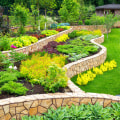
Retaining walls can prevent soil erosion and create level areas for planting or seating. Beyond their practical function, they can also serve as a striking design element when built with attractive materials like natural stone or decorative blocks.
- Water Features: Incorporating water elements such as fountains, ponds, or waterfalls adds a serene ambiance to any landscape. The sound of flowing water can create a peaceful retreat and attract wildlife. Additionally, water features can serve as focal points that draw the eye and enhance the overall design.
- Seating Areas: Integrating seating into your hardscape allows for relaxation and enjoyment of the outdoor space.
Options range from built-in benches to standalone chairs and tables. Choosing comfortable and stylish seating options can transform your garden into an inviting gathering place.
- Lighting: Hardscape lighting is crucial for extending the usability of outdoor spaces into the evening hours. Strategically placed lights can highlight pathways, accentuate architectural features, and create a warm atmosphere for nighttime gatherings.
Benefits of Incorporating Hardscape in Landscaping
Incorporating hardscape into your landscaping design offers a multitude of benefits that can significantly enhance the overall appeal and functionality of your outdoor space.Below are some of the key advantages of integrating hardscape elements into your landscape:
- Durability: Hardscape materials such as stone, brick, and concrete are built to withstand the elements. Unlike traditional plants and grass, which may require frequent replacement or maintenance, hardscape features can last for decades with minimal wear and tear. This durability makes them a wise investment for homeowners looking to create lasting outdoor spaces.
- Low Maintenance: One of the most appealing aspects of hardscaping is its low maintenance requirements. Once installed, hardscape elements typically require little upkeep compared to living plants.
This means less time spent on yard work and more time enjoying your outdoor oasis. Regular cleaning and occasional sealing are usually all that’s needed to keep hardscape features looking their best.
- Aesthetic Appeal: Hardscape can dramatically enhance the visual appeal of your landscape. By incorporating various materials, colors, and textures, you can create stunning focal points that draw the eye and complement your home’s architecture. Features like patios, walkways, and retaining walls can add depth and dimension to your garden, making it more inviting and enjoyable.
- Functionality: Hardscape elements serve practical purposes in addition to their aesthetic benefits.
For instance, a well-placed patio can provide a perfect spot for outdoor dining or entertaining guests, while retaining walls can help manage soil erosion on sloped properties. Additionally, pathways made from durable materials can guide visitors through your garden while preventing muddy shoes during rainy weather.
- Increased Property Value: Investing in hardscape can also increase the value of your property. Well-designed outdoor spaces that incorporate both softscape (plants) and hardscape elements are often more attractive to potential buyers. A beautifully landscaped yard with functional hardscape features can set your home apart in a competitive real estate market.
Whether you’re looking to create a serene retreat or an entertaining area for family gatherings, hardscaping is an essential component of effective landscape design.
Designing with Hardscape: Tips and Best Practices
Incorporating hardscape elements into your landscaping design can significantly enhance the functionality and aesthetic appeal of your outdoor space. Here are some essential tips and best practices to consider when designing with hardscape.1.Plan Your Layout Wisely
Before diving into the selection of materials and colors, it’s crucial to have a well-thought-out layout. Start by assessing the natural flow of your yard and how you intend to use the space. Consider the following:- Functionality: Identify areas for entertaining, relaxation, or play.
This will guide where to place patios, walkways, and seating areas.
- Traffic Patterns: Ensure that pathways are wide enough to accommodate foot traffic and connect different areas seamlessly.
- Focal Points: Use hardscape features like fire pits or water features as focal points to draw the eye and create interest.
2.Choose the Right Materials
The materials you select for your hardscape can dramatically influence the overall look and feel of your landscape. Here are some popular options:- Natural Stone: Offers a timeless look and blends beautifully with natural surroundings.
- Pavers: Available in various shapes, sizes, and colors, pavers provide versatility and can be arranged in unique patterns.
- Concrete: A cost-effective option that can be stamped or stained to mimic more expensive materials.
3.Harmonize Colors and Textures
The color scheme of your hardscape should harmonize with both your home’s exterior and the surrounding landscape. Here are some tips:- Neutral Tones: Opt for neutral colors for larger hardscape elements to create a cohesive look that won’t clash with plants or flowers.
- Accent Colors: Use brighter colors for smaller features like planters or garden lights to add pops of interest without overwhelming the space.
- Texture Variation: Combine different textures—smooth pavers with rough stone—to create depth and visual intrigue.
Creating Harmony: Blending Hardscape with Softscape
In the realm of landscaping, the integration of hardscape and softscape is essential for creating a visually appealing and functional outdoor environment. Hardscape refers to the non-plant elements of landscape design, such as patios, walkways, and retaining walls, while softscape encompasses the living components, including plants, trees, and flowers.Achieving a harmonious balance between these two elements can significantly enhance the overall aesthetic and usability of any outdoor space.To create a cohesive landscape design, it is crucial to consider how hardscape features interact with softscape elements. For instance, a stone patio can serve as a beautiful foundation for surrounding greenery, providing a space for relaxation and social gatherings. When selecting plants to complement hardscape features, consider their size, color, and texture. Native plants often work well because they are adapted to the local climate and require less maintenance.
Design Principles for Integration
When blending hardscape and softscape, several design principles can guide your choices:- Proportion: Ensure that the size of hardscape elements is proportionate to the surrounding softscape.
A large patio may overwhelm small plants, while tiny walkways can get lost in expansive gardens.
- Color Harmony: Choose colors that complement each other. Earthy tones in hardscaping materials can enhance vibrant flower colors, creating a striking visual contrast.
- Texture Variation: Mixing different textures can add depth to your landscape. Smooth stone paths paired with lush foliage create an inviting atmosphere.
- Functionality: Consider how hardscape features will be used. Pathways should lead to focal points like seating areas or water features while allowing easy access to garden beds.
For example, retaining walls can prevent soil erosion while providing planting opportunities for flowers or shrubs above them. Similarly, strategically placed pavers can create defined walking paths that guide visitors through your garden while protecting delicate plant life.Ultimately, achieving balance in your landscaping requires thoughtful planning and design. By carefully considering how hardscape and softscape elements interact, you can create an outdoor space that is not only beautiful but also functional and sustainable. This harmonious blend will enhance your enjoyment of the outdoors while increasing the value of your property.
Case Studies: Successful Hardscape Implementations
When it comes to showcasing the transformative power of hardscape in landscaping, real-life examples can provide invaluable insights.Here are several case studies that highlight successful implementations of hardscape elements, demonstrating their versatility and impact on outdoor spaces.
1.The Urban Oasis
In a bustling city environment, a homeowner sought to create a tranquil retreat in their small backyard. By incorporating a combination of natural stone pavers and a wooden deck, the design team was able to maximize the limited space. The use of raised planters filled with vibrant flowers and shrubs added color and life, while strategically placed seating areas encouraged relaxation. A small water feature, designed to mimic a natural stream, provided soothing sounds that further enhanced the peaceful atmosphere.2.The Family Gathering Space
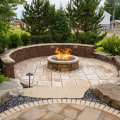
A family in the suburbs wanted to transform their backyard into an entertainment hub for gatherings and celebrations.The project included the installation of a large stone patio with built-in seating and a fire pit at its center. This hardscape element not only served as a focal point but also created an inviting space for family and friends to gather around during cooler evenings. Surrounding the patio, low-maintenance landscaping with native plants complemented the hardscape while ensuring year-round beauty.
3.The Eco-Friendly Retreat
In an effort to promote sustainability, a homeowner opted for permeable pavers in their driveway and walkways. This choice allowed rainwater to filter through the surface, reducing runoff and promoting groundwater recharge.Alongside these hardscape elements, native plants were incorporated into the landscape design, creating a harmonious balance between functionality and environmental responsibility. The result was not only visually appealing but also beneficial for local wildlife.
4.The Rustic Charm
A couple looking to enhance their rural property decided on a rustic theme that blended seamlessly with their surroundings. They chose reclaimed wood for raised garden beds and combined it with natural stone pathways that meandered through the yard. A charming gazebo made from timber provided a shaded area for relaxation, while decorative boulders added character to the landscape.This project exemplified how hardscape can enhance the natural beauty of a rural setting.These case studies illustrate that successful landscaping projects often hinge on the thoughtful integration of hardscape elements. By considering both aesthetic appeal and functionality, homeowners can create outdoor spaces that are not only beautiful but also serve their practical needs.
Common Mistakes to Avoid in Hardscaping
When embarking on a hardscaping project, it’s easy to overlook certain details that can lead to costly mistakes. Understanding these common pitfalls can save you time, money, and frustration. Here are some frequent errors in hardscaping and how to avoid them:- Neglecting Proper Planning: One of the most significant mistakes is diving into a project without a comprehensive plan.
A well-thought-out design should consider the layout, materials, and functionality of the space. Take the time to sketch your ideas and consult with professionals to ensure your vision is feasible.
- Ignoring Drainage Issues: Poor drainage can lead to water pooling and damage to hardscape elements. Before installation, assess the area for natural water flow and incorporate drainage solutions such as French drains or permeable pavers to prevent future problems.
- Choosing Inappropriate Materials: Selecting materials that are not suited for your climate or intended use can result in premature wear and tear. For instance, softer stones may not withstand harsh winters.
Always opt for durable materials that complement your landscape and withstand local weather conditions.
- Overlooking Maintenance Needs: Some hardscape features require more upkeep than others. For example, certain types of stone may need sealing to prevent staining. Be sure to consider the long-term maintenance of your chosen materials and design elements.
- Underestimating Scale and Proportion: A common error is misjudging the scale of hardscape elements in relation to the surrounding landscape. Large patios or walls can overwhelm a small yard, while tiny features may get lost in a spacious area.
Always measure carefully and visualize how each element fits into the overall design.
- Forgetting About Accessibility: Hardscaping should enhance usability in your outdoor space. Ensure pathways are wide enough for foot traffic and consider accessibility for all users, including those with mobility challenges. This will make your landscape more inviting and functional.
FAQs About Hardscaping in Landscape Design
When it comes to hardscaping in landscape design, many homeowners have questions about the various aspects involved.Below are some of the most frequently asked questions that can help clarify common inquiries regarding hardscape elements and their integration into outdoor spaces.
What is hardscaping?
Hardscaping refers to the non-plant elements of landscape design, including structures like patios, walkways, retaining walls, and water features. These components are typically made from materials such as stone, brick, concrete, and wood. Hardscaping plays a crucial role in enhancing the functionality and aesthetic appeal of outdoor spaces.How does hardscaping benefit my landscape?
Incorporating hardscape elements into your landscape design offers several benefits:- Durability: Hardscape materials are built to withstand weather conditions and heavy foot traffic, ensuring longevity.
- Aesthetic Appeal: Well-designed hardscape features can enhance the visual interest of your garden, creating focal points and guiding the eye through the space.
- Functionality: Hardscaping provides practical solutions for outdoor living, such as creating seating areas, pathways, and outdoor kitchens.
- Erosion Control: Structures like retaining walls can help manage soil erosion and improve drainage in sloped areas.
What materials are commonly used in hardscaping?
A variety of materials can be utilized in hardscaping projects. Some popular options include:- Natural Stone: Offers a timeless look and is available in various colors and textures.
- Concrete: Versatile and cost-effective, concrete can be molded into different shapes and finishes.
- Brick: Provides a classic appearance and is often used for patios and walkways.
- Pavers: Available in numerous styles, pavers are ideal for creating intricate patterns in driveways or patios.
How do I choose the right hardscape elements for my space?
Selecting the appropriate hardscape features involves considering several factors:- Your Lifestyle: Think about how you plan to use your outdoor space.
Do you entertain often? A patio or outdoor kitchen may be ideal.
- Aesthetic Preferences: Choose materials and designs that complement your home’s architecture and your personal style.
- Budget: Determine how much you are willing to invest in hardscaping. This will help narrow down your options.
Conclusion: The Lasting Impact of Hardscape on Landscaping Success
In conclusion, the role of hardscape in landscaping cannot be overstated. It serves as the backbone of outdoor design, providing structure, functionality, and aesthetic appeal to any garden or yard.Throughout this article, we have explored various aspects of hardscape elements, from patios and walkways to retaining walls and water features, each contributing uniquely to the overall landscape.One of the most significant advantages of incorporating hardscape into your landscaping is its ability to create defined spaces. By using materials such as stone, brick, or concrete, homeowners can establish distinct areas for relaxation, entertainment, or gardening. This not only enhances the visual appeal but also improves the usability of outdoor spaces.Moreover, hardscape elements are essential for managing water drainage and soil erosion. Retaining walls can prevent soil from washing away during heavy rains, while properly designed pathways can direct water flow away from critical areas.
This functional aspect of hardscape ensures that your landscape remains beautiful and intact over time.Additionally, hardscape features can significantly increase property value. A well-designed outdoor space that includes quality hardscape elements is often more attractive to potential buyers. It reflects a commitment to maintaining the property and enhances curb appeal, making it a wise investment for homeowners.As we have seen, the integration of hardscape into landscaping is not merely about aesthetics; it is about creating a harmonious balance between nature and human-made structures. The right combination of hardscape and softscape elements can lead to a cohesive design that resonates with the homeowner's vision while also being practical and sustainable.Ultimately, whether you are looking to create a tranquil retreat or an entertaining space for family gatherings, hardscape plays a pivotal role in achieving your landscaping goals.
By partnering with experienced professionals who understand the nuances of design and construction, you can ensure that your outdoor space not only meets your needs but also stands the test of time.In summary, embracing the power of hardscape in your landscaping endeavors will lead to successful outcomes that enhance both beauty and functionality in your outdoor environment.