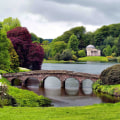
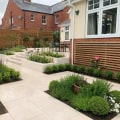
Landscape design is an intricate art that combines creativity, functionality, and environmental awareness to transform outdoor spaces into beautiful and usable areas. It goes beyond mere aesthetics; effective landscape design considers the unique characteristics of the site, including its climate, soil type, and existing vegetation. By understanding these elements, homeowners can create a harmonious outdoor environment that enhances their property’s value while providing a serene retreat for relaxation and recreation.At its core, Landscape design is an intricate art that combines creativity, functionality, and environmental awareness to transform outdoor spaces into beautiful and usable areas. It goes beyond mere aesthetics; effective landscape design considers the unique characteristics of the site, including its climate, soil type, and existing vegetation. By understanding these elements, homeowners can create a harmonious outdoor environment that enhances their property’s value while providing a serene retreat for relaxation and recreation.At its core, landscaping is about achieving a balance between various components that make up an outdoor space. This includes the thoughtful integration of hardscape elements—such as patios, walkways, and retaining walls—with softscape features like plants, trees, and flowers.
Each element plays a vital role in shaping the overall experience of the landscape. For instance, hardscape provides structure and organization, while softscape introduces life and vibrancy. The interplay between these two components is essential for creating a cohesive design that feels both inviting and functional.Moreover, understanding the principles of landscape design can empower homeowners to make informed decisions about their outdoor spaces. Whether you are looking to create a tranquil garden oasis or an entertaining area for family gatherings, grasping the basics of landscaping will help you envision your ideal outdoor environment.
This knowledge not only aids in selecting appropriate materials and plants but also ensures that your design aligns with your lifestyle needs and personal preferences.As we delve deeper into the art of landscape design, we will explore how to achieve the perfect balance between hardscape and softscape elements. By doing so, you will be equipped with the insights necessary to craft an outdoor space that is not only visually appealing but also functional and sustainable.
The Components of Landscape Design
When embarking on a journey to create a stunning outdoor space, understanding the two primary components of landscape design—hardscape and softscape—is essential. Each plays a unique role in shaping the overall aesthetic and functionality of your landscape.Hardscape
refers to the non-living elements of your landscape. These components provide structure, organization, and durability to your outdoor environment.
Common hardscape materials include:
- Paving stones: Ideal for walkways, patios, and driveways, paving stones come in various shapes, sizes, and colors, allowing for creative designs.
- Retaining walls: These structures help manage soil erosion and create tiered landscapes, adding depth and dimension to your yard.
- Decks and patios: These areas serve as functional spaces for relaxation and entertainment, often constructed from wood or composite materials.
- Fountains and water features: Adding a tranquil element to your landscape, these features can enhance the auditory experience of your outdoor space.
- Fences and gates: Providing privacy and security, these elements also contribute to the overall design theme of your property.
- Diversity of species: Incorporating a variety of plants can create visual interest and attract wildlife.
- Seasonal changes: Softscape elements evolve throughout the year, offering different colors and textures with each season.
- Environmental benefits: Plants improve air quality, provide shade, and support local ecosystems.
- Maintenance requirements: Understanding the care needs of each plant is crucial for sustaining a healthy landscape.
Striking the right balance between these two components can transform an ordinary yard into an extraordinary outdoor retreat.
Exploring Hardscape Elements
When it comes to landscape design, hardscape elements are essential for creating a functional and visually appealing outdoor space. These non-living features provide structure, organization, and durability to your landscape, making them a vital component of any well-planned garden or yard.Some common hardscape features include:- Patios: These are flat surfaces typically made from materials like concrete, stone, or pavers. Patios serve as outdoor living areas where you can entertain guests or relax with family.
- Walkways: Pathways guide visitors through your landscape, connecting different areas while enhancing accessibility. They can be constructed from various materials such as gravel, brick, or flagstone.
- Retaining Walls: These structures are designed to hold back soil and prevent erosion.
They can also create tiered levels in your garden, adding visual interest and maximizing usable space.
- Water Features: Fountains, ponds, and waterfalls not only add beauty but also create soothing sounds that enhance the ambiance of your outdoor area.
- Natural Stone: This timeless material offers a rustic charm and blends seamlessly with natural surroundings. It is durable and can withstand various weather conditions.
- Concrete: Versatile and cost-effective, concrete can be molded into various shapes and finishes. It is ideal for patios and walkways due to its strength and low maintenance requirements.
- Pavers: Available in numerous colors, shapes, and sizes, pavers allow for creative designs.
They are easy to replace if damaged and provide excellent drainage.
- Brick: A classic choice that adds warmth and character to any landscape. Brick is durable and can be used for pathways, patios, or walls.
- Durability: Hardscape features are built to last, requiring minimal upkeep compared to softscape elements.
- Functionality: They create usable spaces for activities such as dining, entertaining, or simply enjoying the outdoors.
- Aesthetic Appeal: Hardscaping adds visual interest and structure to your landscape, enhancing its overall beauty.
- Erosion Control: Features like retaining walls help manage soil erosion while maintaining the integrity of your garden.
The Role of Softscape in Landscape Design
Softscape elements are the living, breathing components of landscape design that bring vibrancy and life to outdoor spaces. These elements include a variety of plants, trees, flowers, and other organic materials that not only enhance the aesthetic appeal of a landscape but also contribute significantly to its ecological balance.One of the primary benefits of softscape is its ability to create a dynamic environment.Unlike hardscape features, which are static and unchanging, softscape elements evolve over time. As plants grow, bloom, and change with the seasons, they add layers of color, texture, and movement to your landscape. This natural progression can create a sense of harmony and connection with nature.When selecting plants in landscaping , it is essential to consider several factors:
- Climate: Choose plants that are well-suited to your local climate conditions. Native plants often thrive best as they are adapted to the local environment.
- Soil Conditions: Assess the soil type in your garden.
Some plants prefer sandy soils, while others thrive in clay or loamy conditions.
- Maintenance Requirements: Consider how much time you can dedicate to upkeep. Some plants require regular pruning and care, while others are more low-maintenance.
Plants help improve air quality by absorbing carbon dioxide and releasing oxygen. They also aid in water management by reducing runoff and promoting groundwater recharge through their root systems. Additionally, well-placed trees can provide shade, reducing energy costs for cooling your home during hot months.In conclusion, the role of softscape in landscape design extends far beyond mere aesthetics. By thoughtfully incorporating living elements into your outdoor space, you can create a beautiful, sustainable environment that enhances both your property’s value and your quality of life.
Achieving Balance: Hardscape vs.
SoftscapeAchieving a harmonious balance between hardscape and softscape is essential for creating an inviting and functional outdoor space. This balance not only enhances the aesthetic appeal of your landscape but also ensures that it serves its intended purpose effectively. Here are some strategies to help you integrate both components seamlessly.
1.Assess Your Space
Before diving into design, take a moment to assess your outdoor area. Consider the size, shape, and existing features of your landscape.Identify areas that may benefit from hardscape elements, such as pathways or patios, and those that could use softscape enhancements like flower beds or trees. Understanding your space will guide you in making informed decisions about where to place each element.
2.Define Functional Areas
Creating distinct functional areas within your landscape can help achieve balance. For instance, designate a seating area with hardscape materials like stone or pavers, while surrounding it with softscape elements such as shrubs and flowering plants. This approach not only organizes your space but also creates visual interest by contrasting the solidity of hardscape with the softness of greenery.3.Choose Complementary Materials
The materials you select for both hardscape and softscape should complement each other.For example, if you choose a rustic stone for your patio, consider incorporating native plants that thrive in your region to enhance the natural look.
Color harmony
is also crucial; select plants that echo the tones found in your hardscape to create a cohesive appearance.4.Incorporate Texture and Layers
Texture plays a significant role in landscape design. Mixing different textures can add depth and interest to your outdoor space. For instance, smooth concrete can contrast beautifully with the rough bark of trees or the delicate petals of flowers.Layering these textures will create a dynamic environment that invites exploration.
5.Plan for Seasonal Changes
Landscapes are not static; they evolve with the seasons. When planning your design, consider how both hardscape and softscape elements will look throughout the year. Choose plants that offer year-round interest, such as evergreens or perennials that bloom at different times, ensuring that your landscape remains vibrant even in winter months.6.Seek Professional Guidance
If you're unsure about how to achieve the right balance between hardscape and softscape, consulting with a landscaping professional can be invaluable. Experts can provide insights tailored to your specific space and preferences, helping you create a design that is both beautiful and functional.In conclusion, achieving balance in landscaping requires thoughtful consideration of how hardscape and softscape elements interact within your outdoor space.By assessing your area, defining functional zones, choosing complementary materials, incorporating texture, planning for seasonal changes, and seeking professional advice when needed, you can create a harmonious landscape that enhances both beauty and usability.
Designing for Your Environment
When embarking on a landscaping project, one of the most critical factors to consider is your local environment. The climate and regional characteristics play a significant role in determining which plants and materials will thrive in your outdoor space. Understanding these elements can lead to a more sustainable and visually appealing landscape.Understanding Your Climate
Every region has its unique climate, which can be categorized into several types, including:- Tropical: Characterized by high temperatures and humidity, this climate supports lush vegetation and requires plants that can withstand heavy rainfall.
- Arid: In desert regions, water conservation is paramount. Drought-resistant plants and xeriscaping techniques are essential for successful landscaping.
- Temperate: This climate features four distinct seasons, allowing for a diverse range of plant choices.
However, it also requires careful planning to ensure seasonal transitions are harmonious.
- Cold: In colder climates, selecting hardy plants that can survive frost and snow is crucial. Additionally, considering winter aesthetics can enhance the landscape's appeal year-round.
Regional Landscaping Tips
Once you understand your climate, the next step is to consider regional landscaping tips that cater to local conditions:- Native Plants: Incorporating native species into your landscape design is one of the best ways to ensure success. These plants are adapted to local soil and weather conditions, requiring less maintenance and water.
- Soil Quality: Conducting a soil test can provide valuable insights into nutrient levels and pH balance. This information will guide you in selecting appropriate plants and amendments to improve soil health.
- Water Management: Implementing efficient irrigation systems, such as drip irrigation or rainwater harvesting, can help conserve water while keeping your landscape vibrant.
- Sustainable Materials: Choose materials that are locally sourced and environmentally friendly.
This not only reduces your carbon footprint but also enhances the overall aesthetic by blending with the natural surroundings.
Environmental Considerations
In addition to climate and regional tips, it’s essential to consider broader environmental factors when designing your landscape:- Biodiversity: Aim to create a diverse ecosystem by incorporating various plant species. This approach supports local wildlife and promotes a balanced environment.
- Pest Management: Utilize integrated pest management (IPM) strategies that minimize chemical use while effectively controlling pests. This practice helps maintain a healthy landscape without harming beneficial insects.
- Erosion Control: If your property is on a slope or near water bodies, implementing erosion control measures such as retaining walls or ground cover plants can prevent soil loss and protect water quality.
Common Mistakes in Landscape Design
When embarking on a landscaping project, many homeowners inadvertently fall into common traps that can hinder the overall success of their outdoor space. Understanding these landscaping mistakes is crucial for creating a beautiful and functional environment.Here are some prevalent pitfalls in landscape design and tips on how to avoid them.
- Neglecting the Site's Natural Features: One of the most significant errors is ignoring the existing topography, soil type, and climate conditions. Each landscape has unique characteristics that should inform your design choices. For instance, if your yard has a natural slope, consider incorporating terracing or drainage solutions rather than forcing a flat layout.
- Overcrowding Plants: While it may be tempting to fill every available space with plants, overcrowding can lead to competition for nutrients and water, resulting in unhealthy plants. Always consider the mature size of each plant and allow adequate space for growth.
A well-planned layout will enhance visual appeal and promote plant health.
- Ignoring Maintenance Needs: Some homeowners select plants based solely on aesthetics without considering their maintenance requirements. Choose plants that fit your lifestyle; if you prefer low-maintenance options, opt for native species that thrive in your area with minimal care.
- Inconsistent Design Elements: A cohesive design is essential for a harmonious landscape. Mixing too many styles or materials can create visual chaos. Stick to a consistent theme or color palette throughout your outdoor space to ensure unity and flow.
- Underestimating Lighting: Proper lighting can transform your landscape at night, enhancing safety and aesthetics.
Many homeowners overlook this aspect, leading to dark areas that can be uninviting or unsafe. Incorporate various lighting options, such as path lights, spotlights, and ambient lighting, to highlight key features and create an inviting atmosphere.
Professional Help: When to Seek Expertise
When it comes to landscaping, the decision to hire a professional can significantly impact the outcome of your outdoor space. While some homeowners may feel confident in their ability to design and implement a landscape plan, there are several scenarios where seeking the expertise of a landscape designer is not only beneficial but essential.Understanding Your Landscape Needs
Before diving into a DIY project, it’s crucial to assess your specific needs and goals.If your vision involves intricate designs, unique plant selections, or complex hardscape features, hiring a professional can save you time and frustration. Landscape designers possess the knowledge and experience to create a cohesive plan that aligns with your aesthetic preferences while considering practical aspects such as drainage, soil quality, and climate conditions.
Benefits of Hiring a Landscape Designer
- Expertise in Design: Professional landscape designers have a trained eye for aesthetics and functionality. They can help you visualize your space in ways you might not have considered.
- Access to Resources: Designers often have access to high-quality materials and plants that may not be available to the general public. This can enhance the overall quality of your landscape.
- Time Efficiency: A professional can streamline the process, ensuring that your project is completed on time and within budget.
This efficiency can be particularly valuable for larger projects.
- Problem Solving: Experienced landscapers can identify potential issues before they arise, such as poor drainage or unsuitable plant choices for your environment.
- Increased Property Value: A well-designed landscape can significantly boost your home’s curb appeal and overall value, making it a worthwhile investment.
When to Seek Professional Help
If you find yourself overwhelmed by choices or unsure about how to achieve balance in your landscape design, it may be time to consult with a professional. Additionally, if you are planning major changes—such as installing a patio, building retaining walls, or creating elaborate garden beds—expert guidance can ensure that these elements work harmoniously together.In conclusion, while DIY landscaping can be rewarding, there are clear advantages to hiring a landscape designer. Their expertise not only enhances the beauty of your outdoor space but also ensures that it is functional and sustainable for years to come. If you’re ready to transform your yard into an oasis, consider reaching out to a professional who can help bring your vision to life.Conclusion: The Art of Landscape Design Revisited
As we draw our exploration of landscape design to a close, it is essential to reflect on the fundamental principles that have been discussed.The art of creating a harmonious outdoor space is not merely about aesthetics; it is about achieving a delicate balance between the elements that make up your landscape. This balance is primarily found in the interplay between hardscape and softscape .Throughout this article, we have emphasized that hardscape elements—such as patios, walkways, and retaining walls—serve as the backbone of your landscape. They provide structure, organization, and functionality to your outdoor areas. Conversely, softscape elements—like plants, trees, and flowers—infuse life and vibrancy into these spaces.
Together, they create an environment that is not only visually appealing but also practical and inviting.To achieve the perfect balance in your landscape design, consider the following key takeaways:
- Assess Your Space: Understand the dimensions and layout of your outdoor area. This will help you determine how much hardscape versus softscape you can incorporate.
- Choose Complementary Materials: Select hardscape materials that harmonize with your home’s architecture and the surrounding environment. This ensures a cohesive look.
- Plan for Growth: When selecting softscape elements, consider their growth patterns and maintenance needs. Choose plants that will thrive in your climate and soil conditions.
- Incorporate Functionality: Think about how you will use your outdoor space.
Designate areas for relaxation, entertainment, or gardening to enhance usability.
- Seek Professional Guidance: If you find yourself overwhelmed by choices or unsure about achieving balance, consulting with a landscape professional can provide valuable insights tailored to your vision.