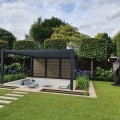
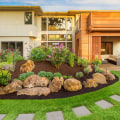
Landscaping is an art form that transforms outdoor spaces into functional and aesthetically pleasing environments. It encompasses a wide range of practices, from the meticulous arrangement of plants to the installation of hard structures that define and enhance the space. At its core, landscaping is about creating harmony between the natural and built elements, allowing for a seamless integration that elevates the overall experience of an outdoor area.To fully appreciate the nuances of landscaping, it is essential to understand its two primary components: hard landscaping and soft landscaping. Hard landscaping refers to the non-living elements of a landscape, such as patios, walkways, walls, and other structural features.
These components provide stability and organization to a space, serving as the backbone of any landscape design. In contrast, soft landscaping includes the living elements—plants, trees, flowers, and shrubs—that bring life and vibrancy to an outdoor area. Together, these two aspects create a balanced environment that can be both functional and beautiful.The interplay between hard and soft landscaping is crucial for achieving a cohesive design. While hard landscaping offers structure and durability, soft landscaping introduces color, texture, and seasonal changes that can transform a space throughout the year.
Understanding how to effectively balance these elements is key to creating an inviting atmosphere that meets both aesthetic desires and practical needs. As we delve deeper into this topic, we will explore the significance of this balance and provide insights on how to achieve it in your own outdoor spaces.
Defining Hard Landscaping
Hard landscaping refers to the non-living elements of a landscape design, encompassing all the structural components that provide form and function to outdoor spaces. These elements are typically made from durable materials such as stone, concrete, wood, and metal, and they serve as the backbone of any landscape project.Examples of Hard Landscaping
- Patios: These are flat surfaces typically made from materials like pavers, bricks, or poured concrete. Patios create functional outdoor living areas for dining, entertaining, or relaxing.
- Walkways: Pathways guide visitors through a landscape, connecting different areas while enhancing accessibility.
They can be constructed from various materials including gravel, flagstone, or stamped concrete.
- Retaining Walls: These structures are designed to hold back soil and prevent erosion. They can also add visual interest and create tiered garden spaces.
- Decks: Elevated platforms made from wood or composite materials that extend living space outdoors. Decks are ideal for enjoying views and hosting gatherings.
- Fences: Fencing not only provides privacy and security but also defines property boundaries and adds aesthetic appeal to a landscape.
Benefits of Hard Landscaping
The incorporation of hard landscaping elements offers numerous advantages that enhance both the functionality and aesthetics of outdoor spaces:
- Durability: Hard landscaping materials are designed to withstand the elements, providing long-lasting features that require minimal maintenance compared to softscape elements.
- Structure: Hard landscaping provides essential structure to a garden or yard, creating defined areas for activities such as cooking, dining, or playing.
- Aesthetic Appeal: The contrast between hard and soft landscaping creates visual interest. Well-designed hardscape can complement the natural beauty of plants and flowers.
- Erosion Control: Features like retaining walls help manage soil erosion by stabilizing slopes and preventing runoff during heavy rains.
- Increased Property Value: A well-executed hard landscaping design can significantly enhance the curb appeal of a property, potentially increasing its market value.
By understanding its definition and examples, homeowners can make informed decisions about how to incorporate these elements into their outdoor spaces effectively.
Exploring Soft Landscaping
Soft landscaping is a vital component of any outdoor design, encompassing the living elements that bring life, color, and texture to a space. This term primarily refers to the various plants, trees, shrubs, flowers, and other organic materials that can be integrated into a landscape. Unlike hard landscaping, which consists of non-living elements like patios and walls, soft landscaping is dynamic and ever-changing, responding to seasonal shifts and environmental conditions.Examples of Soft Landscaping
- Plants: These include a wide variety of species such as perennials, annuals, and ornamental grasses that can add color and texture throughout the year.
- Trees: Trees provide shade, structure, and vertical interest. They can range from large shade trees like oaks to smaller ornamental varieties like Japanese maples.
- Shrubs: These are essential for creating privacy screens or hedges.
Varieties such as boxwoods or hydrangeas can enhance both aesthetics and functionality.
- Flowers: Flower beds can introduce vibrant colors and fragrances to a landscape. Seasonal blooms like tulips in spring or chrysanthemums in fall can create stunning visual displays.
- Ground Covers: Low-growing plants like creeping thyme or sedum can fill in gaps between hardscape elements while preventing soil erosion.
Benefits of Soft Landscaping
The incorporation of soft landscaping elements offers numerous ecological and aesthetic advantages:
- Environmental Benefits: Plants play a crucial role in improving air quality by absorbing carbon dioxide and releasing oxygen. They also help in managing stormwater runoff by absorbing excess rainwater.
- Biodiversity: A well-planned soft landscape can create habitats for various wildlife species, including birds, butterflies, and beneficial insects, promoting biodiversity within urban settings.
- Aesthetic Appeal: Soft landscaping adds beauty and warmth to outdoor spaces. The vibrant colors and varied textures of plants can soften the harsh lines of hardscape elements, creating a more inviting atmosphere.
- Emotional Well-being: Green spaces have been shown to reduce stress and improve mental health.
Incorporating soft landscaping into your environment can provide a sense of tranquility and connection to nature.
The Importance of Balancing Hard and Soft Landscaping
Achieving a balance between hard and soft landscaping is not merely an aesthetic choice; it is a fundamental aspect of creating a functional and inviting outdoor space. The interplay between these two elements can significantly influence the overall experience of a landscape, making it essential to understand their respective roles and how they complement each other.Aesthetic Appeal
One of the primary reasons for balancing hard and soft landscaping is to enhance the visual appeal of an outdoor area. Hard landscaping features, such as patios, walkways, and walls, provide structure and organization.
They create defined spaces that guide movement and interaction within the landscape. However, without the inclusion of softscape elements like plants, flowers, and trees, these hard features can appear stark and uninviting. Soft landscaping introduces color, texture, and life into the environment, softening the rigid lines of hardscape elements.For instance, a concrete patio surrounded by vibrant flower beds can create a stunning contrast that draws the eye and invites people to linger. Conversely, an abundance of softscape without any hard elements can lead to a chaotic appearance, where plants may overgrow or encroach upon pathways, making navigation difficult.
Functional Benefits
Beyond aesthetics, balancing hard and soft landscaping is crucial for functionality.
Hardscape elements serve practical purposes: they provide durable surfaces for walking, seating areas for relaxation, and structures for support. For example, retaining walls can prevent soil erosion while also creating tiered planting areas that enhance visual interest.On the other hand, soft landscaping contributes to environmental health. Plants play a vital role in air purification, temperature regulation, and providing habitats for wildlife. A well-planned landscape that incorporates both hard and soft elements can effectively manage stormwater runoff while promoting biodiversity.
Emotional Connection
The balance between hard and soft landscaping also fosters an emotional connection to outdoor spaces.
Environments that are thoughtfully designed with both elements tend to evoke feelings of comfort and tranquility. The presence of greenery can reduce stress levels and promote relaxation, making outdoor areas more enjoyable for social gatherings or solitary reflection.In summary, the importance of balancing hard and soft landscaping cannot be overstated. It enhances aesthetic appeal, improves functionality, and fosters emotional well-being. By thoughtfully integrating these two components, you can create an outdoor space that is not only beautiful but also serves its intended purpose effectively.
Aesthetic Considerations in Landscaping Design
When it comes to landscaping, achieving an aesthetic balance between hard and soft elements is essential for creating a visually appealing outdoor space.The interplay of these elements not only enhances the beauty of a garden but also contributes to its overall functionality. Understanding the principles of design can significantly elevate the aesthetic quality of your landscape.
Visual Appeal in Gardens
The visual appeal of a garden is often determined by how well hard and soft landscaping elements complement each other. Hardscapes, such as patios, pathways, and walls, provide structure and form, while softscapes—comprising plants, flowers, and trees—introduce color, texture, and life. To create a harmonious environment, consider the following:
- Color Harmony: Choose plants that harmonize with the colors of your hardscape materials.
For instance, if you have a warm-toned stone patio, opt for plants with warm-colored blooms to create a cohesive look.
- Texture Contrast: Mixing different textures can add depth to your landscape. Pair smooth surfaces like concrete with rough natural stones or soft foliage to create visual interest.
- Scale and Proportion: Ensure that the size of your hardscape elements is proportionate to the surrounding softscape. Large patios may require taller plants or trees to avoid feeling overwhelming.
Design Principles for Landscaping
Incorporating fundamental design principles can enhance the aesthetic appeal of your landscape:
- Balance: Strive for symmetry or asymmetry in your design. Symmetrical designs offer a formal look, while asymmetrical arrangements can create a more relaxed atmosphere.
- Focal Points: Establish focal points using hardscape features like sculptures or water features surrounded by softscape elements.
This draws the eye and creates interest.
- Unity: Ensure that all elements work together cohesively. Repeating colors or materials throughout both hard and soft landscaping can create a unified look.
Functional Aspects of Hard and Soft Landscaping
When it comes to landscaping, understanding the functional aspects of both hard and soft elements is essential for creating a space that is not only beautiful but also practical and sustainable. Each component serves distinct purposes that contribute to the overall effectiveness of an outdoor area.Practical Uses of Hard Landscaping
Hard landscaping includes non-plant elements such as patios, walkways, walls, and other structures. These features provide several practical benefits:- Defined Spaces: Hardscape elements help delineate different areas within a landscape, such as separating a dining area from a garden or creating pathways that guide visitors through the space.
- Durability: Materials like stone, concrete, and brick are long-lasting and require minimal maintenance compared to softscape elements.
This durability makes them ideal for high-traffic areas.
- Accessibility: Well-designed hardscapes ensure that outdoor spaces are accessible to everyone, including those with mobility challenges. Smooth pathways and ramps can enhance usability.
- Functional Features: Hard landscaping can incorporate functional elements such as seating areas, fire pits, and outdoor kitchens, making the space more enjoyable for gatherings and relaxation.
Ecological Benefits of Soft Landscaping
On the other hand, soft landscaping plays a crucial role in enhancing the ecological health of an outdoor environment. The living elements of a landscape offer numerous benefits:- Biodiversity: Incorporating a variety of plants supports local wildlife by providing habitats and food sources for birds, insects, and other creatures.
- Erosion Control: Plants help stabilize soil with their root systems, reducing erosion and preventing runoff during heavy rains.
- Air Quality Improvement: Trees and shrubs absorb carbon dioxide and release oxygen, contributing to cleaner air. They also filter pollutants from the atmosphere.
- Temperature Regulation: Softscape elements can help moderate temperatures in urban areas by providing shade and reducing heat absorption from hard surfaces.
While hardscapes provide structure and usability, softscapes enhance ecological health and aesthetic appeal. Striking a balance between these two components ensures that landscapes are not only visually pleasing but also serve practical purposes that benefit both people and the environment.
Tips for Achieving Balance in Your Landscape Design
Achieving a harmonious balance between hard and soft landscaping elements is essential for creating an inviting and functional outdoor space. Here are some actionable tips to help you strike that perfect equilibrium:- Assess Your Space: Begin by evaluating the size and layout of your outdoor area. A smaller yard may benefit from a greater emphasis on softscape elements, such as vibrant flower beds and lush greenery, to create a sense of openness.
In contrast, larger properties can accommodate more hardscape features like patios, walkways, and retaining walls to define different zones.
- Incorporate Layers: Layering is a powerful technique in landscape design. Use hard elements like raised beds or terraces to create visual interest and depth. Then, fill these layers with softscape elements such as shrubs and perennials that cascade over the edges, softening the overall look.
- Choose Complementary Materials: When selecting hardscape materials, consider how they will interact with your softscape elements. For instance, natural stone pathways can beautifully complement flowering plants, while sleek concrete can provide a modern contrast to organic shapes in your garden.
- Utilize Color and Texture: Mixing colors and textures can enhance the visual appeal of your landscape.
Pair the rough texture of stone walls with the smoothness of ornamental grasses or vibrant blooms. This contrast not only adds interest but also helps to balance the rigidity of hardscapes with the softness of plants.
- Plan for Seasonal Changes: Keep in mind that landscapes evolve throughout the seasons. Select a variety of plants that bloom at different times or have varying foliage colors to ensure that your softscape remains dynamic and engaging year-round. This will help maintain balance even as hardscape elements remain constant.
- Incorporate Functional Hardscapes: Consider adding functional hardscape features such as benches, fire pits, or outdoor kitchens that encourage social interaction.
These elements not only provide structure but also enhance the usability of your space, making it more inviting for gatherings.
- Regular Maintenance: To keep your landscape looking its best, establish a routine maintenance schedule for both hard and soft elements. Regularly prune plants, clean hard surfaces, and replace any damaged materials to ensure that both aspects remain in harmony.
Considering Climate and Environment in Landscaping Choices
When it comes to landscaping, understanding the impact of climate on your design choices is essential. The climate of a region not only influences the aesthetic appeal of your outdoor space but also determines the viability and health of the plants you choose to incorporate.Therefore, making informed decisions based on climatic conditions can lead to a more sustainable and thriving landscape.
Understanding Your Climate Zone
Before selecting plants and materials for your landscape, it is crucial to identify your specific climate zone. The United States Department of Agriculture (USDA) has developed a Plant Hardiness Zone Map that categorizes regions based on their average annual minimum winter temperature. This map serves as a valuable tool for gardeners and landscapers alike, helping them choose plants that are well-suited to their local environment.Choosing Plants for Your Climate
Once you have determined your climate zone, the next step is to select plants that will thrive in those conditions. Here are some key considerations:- Temperature Tolerance: Select plants that can withstand the temperature extremes of your area, whether it be hot summers or cold winters.
- Moisture Requirements: Consider the rainfall patterns in your region.
Drought-resistant plants are ideal for arid climates, while moisture-loving species may be better suited for areas with high rainfall.
- Sunlight Exposure: Assess how much sunlight your landscape receives throughout the day. Some plants require full sun, while others thrive in partial shade.
Environmental Considerations
In addition to climate, environmental factors play a significant role in landscaping choices. Here are some aspects to keep in mind:- Soil Quality: Conduct a soil test to determine pH levels and nutrient content. This information will guide you in selecting plants that will flourish in your soil type.
- Ecosystem Compatibility: Choose native plants whenever possible.
Native species are adapted to local conditions and support local wildlife, promoting biodiversity.
- Sustainability Practices: Implementing sustainable landscaping practices, such as xeriscaping or using organic fertilizers, can help conserve resources and protect the environment.
Maintenance: Keeping Your Landscape Balanced Over Time
Maintaining a landscape is not a one-time task; it requires ongoing attention to both hardscape and softscape elements to ensure they remain in harmony. Regular maintenance is essential for preserving the aesthetic appeal and functionality of your outdoor space. Here are some key strategies to keep your landscape balanced over time:1.Schedule Regular Inspections
Conducting regular inspections of your landscape can help you identify issues before they escalate. Look for signs of wear and tear on hardscape elements such as patios, walkways, and retaining walls.Check for cracks, loose stones, or any structural damage that may need repair. For softscape elements, monitor plant health, looking for signs of disease or pest infestations.
2.Pruning and Trimming
Regular pruning of trees and shrubs is vital for maintaining their shape and health. This practice not only enhances the visual appeal of your garden but also encourages new growth. Remove dead or diseased branches promptly to prevent the spread of illness to healthy parts of the plant.Additionally, trimming overgrown plants can help maintain balance by ensuring that softscape elements do not overwhelm hardscape features.
3.Weeding and Mulching
Weeds can quickly take over a garden, competing with your plants for nutrients and water. Implement a regular weeding schedule to keep your softscape elements thriving. Applying mulch around plants can help suppress weed growth while also retaining moisture in the soil, benefiting both the plants and the overall landscape.4.Cleaning Hardscape Surfaces
Hardscape elements require their own form of maintenance to stay visually appealing. Regularly clean surfaces such as patios, decks, and walkways to remove dirt, algae, and debris.Power washing can be an effective method for restoring the original look of these surfaces, while also preventing slips and falls caused by slippery conditions.
5.Seasonal Adjustments
As seasons change, so do the needs of your landscape. In spring, focus on planting new flowers and shrubs while ensuring that existing plants are pruned and fertilized. Summer may require more frequent watering and monitoring for pests. In fall, prepare your garden for winter by cutting back perennials and adding protective mulch layers.Winter maintenance might include clearing snow from pathways to ensure safe access.
6.Soil Health
The foundation of any thriving landscape is healthy soil. Regularly test your soil to determine its pH level and nutrient content. Amend the soil as needed with organic matter or fertilizers to support both hardscape drainage systems and softscape plant health.By implementing these maintenance strategies, you can ensure that both hardscape and softscape elements continue to complement each other effectively over time. A well-maintained landscape not only enhances curb appeal but also provides a functional outdoor space that you can enjoy year-round.<strong>Conclusion</strong>: The Art of Balancing Hard and Soft Landscaping
In conclusion, the art of balancing hard and soft landscaping is essential for creating outdoor spaces that are not only visually appealing but also functional and sustainable.Throughout this article, we have explored the distinct roles that hardscape and softscape elements play in landscape design, emphasizing the importance of achieving harmony between the two.
Landscaping Summary:
Hard landscaping includes the permanent structures such as patios, walkways, and walls that provide stability and organization to a space. In contrast, soft landscaping encompasses the living elements like plants, trees, and flowers that bring life and vibrancy to the environment. Together, these components create a cohesive landscape that can enhance property value and improve the quality of life for its inhabitants.
Importance of Balance:
Striking a balance between hard and soft elements is crucial for several reasons:
- Aesthetic Appeal: A well-balanced landscape is visually inviting. Hard elements offer structure while soft elements add warmth and color.
- Functionality: Hardscapes provide practical solutions for outdoor activities, while softscapes contribute to ecological benefits such as air purification and habitat creation.
- Maintenance: A balanced approach can simplify maintenance tasks, ensuring that both hard and soft elements remain in good condition without overwhelming the homeowner.
Final Thoughts on Landscaping:
As you embark on your landscaping journey, remember that achieving balance is not merely about aesthetics; it’s about creating a space that serves your needs while respecting the environment.
Consider factors such as climate, space size, and personal preferences when designing your landscape. Regular maintenance will also play a vital role in preserving this balance over time.Ultimately, whether you are a seasoned landscape architect or a homeowner looking to enhance your outdoor space, understanding the interplay between hard and soft landscaping will empower you to create beautiful, functional environments that stand the test of time.