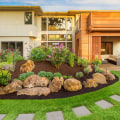
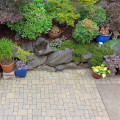
When embarking on any outdoor project, understanding the fundamental concepts of landscape and landscaping is essential. While these terms may seem similar at first glance, they encompass distinct ideas that play a crucial role in the design and enhancement of outdoor spaces. A landscape refers to the visible features of an area, including its landforms, vegetation, and man-made structures. It is the canvas upon which various elements are arranged to create a harmonious environment.
In contrast, landscaping is the art and practice of modifying that canvas to achieve a desired aesthetic or functional outcome. For families navigating these projects, finding appropriate Support Groups and Resources for Families at can provide valuable assistance.The difference between landscape and landscaping can be likened to the difference between a painting and the act of painting itself. A landscape is the finished artwork, showcasing the natural beauty and characteristics of a particular area, while landscaping involves the techniques and processes used to enhance or alter that artwork. This distinction is vital for anyone looking to improve their outdoor space, as it influences not only the approach taken but also the skills required to achieve successful results.To delve deeper into these concepts, it’s important to recognize that landscaping encompasses a wide range of activities. is the art and practice of modifying that canvas to achieve a desired aesthetic or functional outcome. For families navigating these projects, finding appropriate Support Groups and Resources for Families at can provide valuable assistance.The difference between landscape and landscaping can be likened to the difference between a painting and the act of painting itself. A landscape is the finished artwork, showcasing the natural beauty and characteristics of a particular area, while landscaping involves the techniques and processes used to enhance or alter that artwork. This distinction is vital for anyone looking to improve their outdoor space, as it influences not only the approach taken but also the skills required to achieve successful results.To delve deeper into these concepts, it’s important to recognize that landscaping encompasses a wide range of activities.
These can include planting trees and shrubs, installing pathways, creating water features, and even incorporating outdoor furniture. Each of these elements contributes to the overall landscape, transforming it from a simple plot of land into a vibrant and inviting outdoor area. Understanding these basics will set the stage for exploring more complex aspects of landscaping, such as design principles, plant selection, and maintenance strategies.As we navigate through this article, we will uncover not only the differences between landscape and landscaping but also how each plays a pivotal role in creating beautiful outdoor environments. Whether you are a homeowner looking to enhance your garden or a professional seeking to refine your skills, grasping these foundational concepts will empower you to make informed decisions in your landscaping endeavors.These can include planting trees and shrubs, installing pathways, creating water features, and even incorporating outdoor furniture. Each of these elements contributes to the overall landscape, transforming it from a simple plot of land into a vibrant and inviting outdoor area. Understanding these basics will set the stage for exploring more complex aspects of landscaping, such as design principles, plant selection, and maintenance strategies.As we navigate through this article, we will uncover not only the differences between landscape and landscaping but also how each plays a pivotal role in creating beautiful outdoor environments. Whether you are a homeowner looking to enhance your garden or a professional seeking to refine your skills, grasping these foundational concepts will empower you to make informed decisions in your landscaping endeavors.
Defining Landscape: The Natural Canvas
To truly grasp the essence of landscape, one must first understand its definition and the natural elements that comprise it.A landscape is not merely a collection of trees, hills, and water bodies; it is a dynamic interplay of various natural features that together create a unique environment. This includes the terrain, flora, and fauna that inhabit a given area, all of which contribute to the overall aesthetic and ecological balance.
Natural Landscape Features
- Terrain: The physical characteristics of the land, including its elevation, slope, and soil composition. Terrain can vary dramatically from flat plains to rugged mountains, each presenting different opportunities and challenges for both nature and landscaping.
- Flora: The plant life that thrives in a particular region. This encompasses everything from towering trees to delicate wildflowers.
Understanding the native plants is crucial for any landscaping project, as they are adapted to the local climate and soil conditions.
- Fauna: The animal life that inhabits the landscape. Wildlife plays an essential role in maintaining ecological balance, and their presence can influence the types of plants that flourish in an area.
Urban development, agriculture, and even recreational activities can alter natural landscapes significantly. Understanding these changes is vital for anyone looking to engage in landscaping, as it allows for a more informed approach to preserving or enhancing the natural beauty of an area.In summary, defining landscape involves recognizing it as a complex tapestry woven from various natural elements. By appreciating these components—terrain, flora, and fauna—individuals can better understand how they serve as the foundation for effective landscaping practices.
Exploring Landscaping: The Art of Design and Implementation
Landscaping is a multifaceted practice that transcends mere gardening; it is an art form that combines creativity with functionality. At its core, landscaping involves the design and implementation of outdoor spaces, transforming them into aesthetically pleasing and practical environments.Understanding the nuances of landscaping can significantly enhance the appeal and usability of any outdoor area.To define landscaping, one must consider it as a comprehensive approach to modifying the visible features of an area. This includes not only the arrangement of plants but also the integration of various elements such as pathways, water features, and outdoor structures. The goal is to create a harmonious balance between nature and human-made elements, resulting in a cohesive outdoor experience.
Key Landscaping Techniques
Several techniques are employed in landscaping to achieve desired outcomes:- Hardscaping: This technique involves the use of non-plant elements such as stones, bricks, and concrete. Hardscaping provides structure and functionality to a landscape, creating pathways, patios, and retaining walls that enhance usability.
- Softscaping: In contrast to hardscaping, softscaping focuses on the living elements of a landscape.
This includes the selection and placement of plants, trees, and shrubs that contribute to the overall aesthetic and ecological balance.
- Water Features: Incorporating water elements like ponds, fountains, or streams can add tranquility and visual interest to a landscape. These features not only enhance beauty but also support local wildlife.
- Lighting: Strategic lighting can transform a landscape at night, highlighting key features and creating ambiance. It also improves safety by illuminating pathways and entrances.
It also takes into account the intended use of the space—whether for relaxation, entertainment, or gardening. A professional landscaper often employs design principles such as balance, contrast, and unity to create visually appealing layouts.In conclusion, landscaping is not just about planting flowers or laying sod; it is an intricate blend of art and science that requires careful planning and execution. By understanding the various techniques and design principles involved in landscaping, homeowners can create outdoor spaces that are not only beautiful but also functional and sustainable.
Key Differences Between Landscape and Landscaping
Understanding the distinction between landscape and landscaping is essential for anyone looking to enhance their outdoor spaces. While these terms may seem similar, they refer to different concepts that play unique roles in outdoor design and maintenance.Landscape
refers to the visible features of an area of land, including its physical elements such as hills, trees, water bodies, and built structures.
It encompasses the natural and man-made components that create the overall appearance of a space. The characteristics of a landscape can vary widely based on geographical location, climate, and ecological factors. For instance:
- Natural Features: Mountains, valleys, rivers, and forests are all integral parts of a landscape.
- Vegetation: The types of plants, trees, and flowers that grow in a specific area contribute significantly to its character.
- Human Elements: Buildings, roads, and other structures also form part of the landscape, influencing how it is perceived.
Key characteristics of landscaping include:
- Design Planning: Landscaping requires careful planning and design to ensure that all elements work harmoniously together.
- Implementation: This includes planting trees and shrubs, installing pathways, building water features, and adding decorative elements like sculptures.
- Maintenance: Landscaping often involves ongoing care to keep the outdoor space looking its best, which may include pruning plants, managing pests, and seasonal planting.
The Role of Professionals in Landscaping Projects
When it comes to transforming your outdoor space, the expertise of landscaping professionals can make a significant difference. While some homeowners may consider tackling landscaping projects on their own, hiring a professional can lead to superior results and a more efficient process.Expert Knowledge and Experience
Landscaping professionals bring a wealth of knowledge and experience to the table. They understand the intricacies of soil types, plant selection, and local climate conditions, which are crucial for creating a thriving landscape.
Their training often includes:
- Design Principles: Professionals are well-versed in design aesthetics, ensuring that your outdoor space is not only functional but also visually appealing.
- Plant Biology: They know which plants will thrive in your specific environment, taking into account factors such as sunlight, moisture, and soil composition.
- Construction Skills: Many landscaping projects involve hardscaping elements like patios, walkways, and retaining walls. Professionals have the skills to execute these features safely and effectively.
Time and Cost Efficiency
Another significant advantage of hiring a landscaper is the time saved during the project. Landscaping can be labor-intensive and time-consuming. Professionals can streamline the process by:
- Efficient Planning: They create detailed plans that outline each phase of the project, minimizing delays and ensuring that everything runs smoothly.
- Access to Resources: Professionals often have access to wholesale plants and materials, which can reduce costs compared to retail prices.
- Avoiding Mistakes: With their experience, they can foresee potential issues that may arise during the project, helping you avoid costly mistakes.
Customized Solutions
A professional landscaper will work closely with you to understand your vision and needs.
They can provide tailored solutions that reflect your personal style while considering practical aspects such as maintenance requirements and sustainability. This collaborative approach ensures that the final outcome aligns with your expectations.
Long-Term Value
Investing in professional landscaping not only enhances the beauty of your property but also increases its value. A well-designed landscape can significantly boost curb appeal and attract potential buyers if you ever decide to sell your home. Moreover, professionals can implement sustainable practices that reduce water usage and maintenance costs over time.In conclusion, while DIY landscaping may seem appealing, the benefits of hiring a professional landscaper far outweigh the initial cost.
Their expertise, efficiency, and ability to create customized solutions ensure that your outdoor space becomes a beautiful and functional extension of your home.
DIY Landscaping: When to Take on the Challenge Yourself
Embarking on a DIY landscaping project can be an exciting and rewarding endeavor, allowing homeowners to express their creativity while enhancing the beauty of their outdoor spaces. However, it’s essential to assess whether a project is suitable for a DIY approach or if it would be more prudent to enlist the help of professionals. Here are some key considerations to help you make that decision.Assessing Your Skills and Experience
Before diving into a landscaping project, take a moment to evaluate your skills and experience. If you have a background in gardening or have successfully completed similar projects in the past, you may feel confident tackling your landscaping tasks.However, if you are new to outdoor projects, it might be wise to start small. Consider beginning with simple tasks such as planting flowers or creating a small garden bed before moving on to more complex designs.
Understanding the Scope of the Project
The scope of your landscaping project plays a significant role in determining whether it’s a DIY job or requires professional assistance. Smaller projects, such as:- Planting shrubs and flowers
- Creating garden borders
- Installing mulch or decorative stones
- Building raised garden beds
- Excavation and grading
- Installing hardscapes like patios or walkways
- Creating water features such as ponds or fountains
- Designing complex layouts with multiple elements
Budget Considerations
Your budget is another critical factor when deciding whether to take on landscaping yourself.DIY projects can save money on labor costs, but they may also require significant investment in tools, materials, and plants. If you’re working with a limited budget, consider focusing on smaller projects that can be completed over time rather than attempting a large-scale transformation all at once.
Time Commitment
Landscaping can be time-consuming, especially if you are learning as you go. Assess how much time you can realistically dedicate to your project. If you have limited time due to work or other commitments, hiring a professional may be the best option to ensure timely completion.In conclusion, while DIY landscaping can be fulfilling and cost-effective, it’s crucial to evaluate your skills, the project scope, budget constraints, and time availability before proceeding.By making informed decisions, you can create an outdoor space that reflects your vision while avoiding potential pitfalls associated with larger landscaping endeavors.
Common Landscaping Techniques and Trends
Landscaping is an ever-evolving field that reflects not only aesthetic preferences but also the growing awareness of environmental sustainability. As homeowners and designers seek to create beautiful outdoor spaces, several landscaping techniques and trends have emerged that prioritize both visual appeal and ecological responsibility.Popular Landscaping Techniques
Among the most popular landscaping techniques are:- Hardscaping: This involves the use of non-plant elements such as patios, walkways, retaining walls, and decks. Hardscaping provides structure and functionality to outdoor spaces, allowing for better flow and usability.
- Softscaping: In contrast to hardscaping, softscaping focuses on the living elements of landscaping, including plants, trees, and flowers. A well-balanced combination of hardscape and softscape can create a harmonious environment.
- Xeriscaping: This water-efficient landscaping technique is particularly popular in arid regions.
It emphasizes drought-resistant plants and minimizes the need for irrigation, making it a sustainable choice.
- Vertical Gardening: Ideal for small spaces, vertical gardening utilizes walls or trellises to grow plants upwards rather than outwards. This technique maximizes space while adding greenery to urban environments.
Current Landscaping Trends
The current trends in landscaping reflect a shift towards sustainability and functionality:- Sustainable Landscaping: More homeowners are opting for eco-friendly practices that reduce water usage and promote biodiversity. This includes using native plants that require less maintenance and are better suited to local climates.
- Outdoor Living Spaces: The trend of creating outdoor rooms has gained momentum. Homeowners are investing in comfortable seating areas, outdoor kitchens, and fire pits to extend their living space into the outdoors.
- Smart Landscaping: Technology is making its way into landscaping with smart irrigation systems that optimize water usage based on weather conditions.
These systems help conserve water while maintaining healthy landscapes.
- Pollinator Gardens: With a growing awareness of the importance of pollinators, many are designing gardens specifically to attract bees, butterflies, and other beneficial insects. These gardens often feature a variety of flowering plants that bloom at different times throughout the year.
Landscaping Elements: Beyond Plants and Soil
When it comes to landscaping, the focus often extends far beyond just plants and soil. A well-designed landscape incorporates a variety of elements that work together to create a harmonious outdoor environment.Understanding these components is essential for anyone looking to enhance their outdoor space.
Hardscaping vs. Softscaping
One of the primary distinctions in landscaping is between hardscaping and softscaping. Hardscaping refers to the non-plant elements of a landscape, including structures like patios, walkways, retaining walls, and decks. These features provide functionality and structure to the outdoor space, allowing for better flow and usability.Softscaping, on the other hand, encompasses all the living elements, such as trees, shrubs, flowers, and grass.While softscaping adds color and life to a landscape, hardscaping provides the necessary framework that supports these living elements. A successful landscaping project often requires a balanced combination of both hardscaping and softscaping to achieve an aesthetically pleasing and functional design.
The Role of Water Features
Another significant aspect of landscaping is the incorporation of water features. These can range from simple birdbaths to elaborate ponds or waterfalls. Water features not only add visual interest but also create a soothing ambiance through the sound of flowing water.They can attract wildlife, such as birds and butterflies, enhancing the ecological value of your landscape.When planning water features, consider their placement carefully. A well-placed fountain or pond can serve as a focal point in your garden, drawing attention and providing a serene spot for relaxation. Additionally, water features can help regulate temperature in your outdoor space, making it more comfortable during hot summer months.
Furniture and Other Structures
Incorporating furniture and other structures into your landscape design is crucial for creating inviting outdoor spaces. Items such as benches, tables, and chairs allow for social interaction and relaxation in your garden or yard.When selecting outdoor furniture, consider materials that withstand weather conditions while complementing your overall design theme.Other structures like pergolas or gazebos can provide shade and shelter while enhancing the visual appeal of your landscape. These elements not only serve practical purposes but also contribute to the overall aesthetic by adding height and dimension to your outdoor area.In conclusion, effective landscaping involves much more than just planting flowers or laying sod. By thoughtfully integrating hardscaping, water features, furniture, and other structures into your design, you can create a cohesive outdoor environment that is both beautiful and functional.
Maintaining Your Landscape: Tips for Longevity and Health
Maintaining a landscape is essential for preserving its beauty and functionality over time. Regular care not only enhances the aesthetic appeal but also ensures the health of plants and structures within the space.Here are some practical tips to help you care for your landscape effectively.
Regular Watering
Watering is a fundamental aspect of landscape maintenance. Depending on the climate and the types of plants in your landscape, the frequency and amount of water needed can vary. Here are some guidelines:- Deep Watering: Instead of frequent shallow watering, aim for deep watering sessions that encourage roots to grow deeper into the soil.
- Time of Day: Water early in the morning or late in the afternoon to minimize evaporation.
- Soil Moisture: Check soil moisture levels before watering; overwatering can be just as harmful as underwatering.
Pruning and Trimming
Regular pruning and trimming are vital for maintaining the health and shape of your plants. This practice helps promote new growth, remove dead or diseased branches, and maintain an attractive appearance.Consider these tips:
- Timing: Prune flowering shrubs after they bloom to avoid cutting off next year’s flowers.
- Tools: Use sharp, clean tools to make precise cuts that heal quickly.
- Technique: Always cut at a 45-degree angle to prevent water from collecting on the cut surface.
Seasonal Care
Caring for your landscape requires attention throughout the seasons. Each season presents unique challenges and opportunities:- Spring: Focus on cleaning up debris, mulching, and planting new flowers or shrubs.
- Summer: Monitor for pests and diseases, ensure adequate watering, and deadhead spent blooms to encourage further flowering.
- Fall: Prepare your landscape for winter by raking leaves, applying mulch, and planting bulbs for spring blooms.
- winter: Protect sensitive plants with burlap or mulch and plan for any necessary repairs or updates during the dormant season.
Conclusion: Embracing the Art of Landscaping for Your Outdoor Space
In conclusion, understanding the distinction between landscape and landscaping is essential for anyone looking to enhance their outdoor environment. While both terms relate to the beautification of outdoor spaces, they encompass different scopes and methodologies.Recognizing these differences allows homeowners to make informed decisions about how to approach their outdoor projects.As we have explored, landscaping is a multifaceted discipline that goes beyond mere gardening. It involves a comprehensive design process that integrates various elements such as plants, hardscapes, water features, and even outdoor furniture. This holistic approach not only enhances the aesthetic appeal of a space but also improves its functionality and usability.When considering your options for transforming your outdoor area, it is crucial to assess your goals and resources. Here are some key points to keep in mind:
- Define Your Vision: Take time to envision what you want your outdoor space to look like.
Consider factors such as style, purpose, and maintenance.
- Evaluate Your Skills: If you have a passion for gardening and design, you might choose to tackle smaller projects yourself. However, for larger or more complex transformations, hiring a professional landscaper can save time and ensure quality.
- Budget Wisely: Landscaping can range from simple enhancements to extensive renovations. Establishing a clear budget will help guide your decisions and prevent overspending.
- Research Local Resources: Understanding the native plants and materials available in your area can lead to more sustainable choices that thrive in your local climate.
By appreciating the nuances between landscape and landscaping, you empower yourself to create an outdoor haven that reflects your personal style while enhancing the natural beauty of your surroundings.