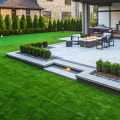
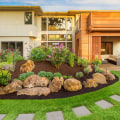
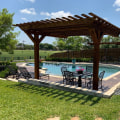
In the realm of landscaping , the term hardscaping refers to the non-plant elements that contribute to the overall design and functionality of outdoor spaces. These elements are essential for creating a balanced landscape that not only enhances aesthetic appeal but also provides practical benefits. Hardscaping includes a variety of materials and structures, such as patios, walkways, retaining walls, and decorative features like fountains and fire pits. By integrating these components, homeowners can transform their yards into inviting spaces that cater to both relaxation and entertainment.The significance of hardscaping lies in its ability to complement softscaping , which encompasses the living elements of a landscape, such as plants, trees, and flowers.
While softscaping adds color, texture, and life to an outdoor area, hardscaping provides structure and stability. This interplay between hard and soft elements creates a harmonious environment where each aspect enhances the other. For instance, a beautifully designed stone patio can serve as a focal point for gatherings, while surrounding flower beds can soften the edges and add vibrancy.Moreover, hardscape features can significantly improve the functionality of outdoor spaces. They can define areas for specific activities, such as dining or lounging, and facilitate movement throughout the landscape.
Well-placed pathways guide visitors through gardens, while retaining walls can help manage slopes and prevent erosion. As homeowners increasingly seek to maximize their outdoor living areas, understanding the role of hardscaping becomes crucial in achieving a cohesive and practical design.As we delve deeper into the world of hardscaping, we will explore various examples of hardscape items that can elevate your landscape design. From elegant stone walkways to intricate water features, these elements not only enhance beauty but also contribute to the overall functionality of your outdoor space. Whether you are planning a complete landscape overhaul or simply looking to add a few key features, recognizing the importance of hardscaping will empower you to create an outdoor oasis that reflects your personal style.
What is Hardscaping?
Hardscaping refers to the non-plant elements of landscape design, encompassing a variety of materials and structures that contribute to the overall aesthetic and functionality of outdoor spaces.This term is derived from the combination of hard , indicating solid materials, and scaping , which relates to the art of designing landscapes. Hardscape items can include features such as patios, walkways, retaining walls, and decorative stonework, all of which play a crucial role in shaping the environment around us.Understanding the distinction between hardscaping and its counterpart, softscaping , is essential for anyone looking to create a balanced and visually appealing landscape. While hardscaping focuses on the durable, structural components of a landscape, softscaping involves the living elements—primarily plants, trees, and soil. Together, these two aspects create a harmonious outdoor space that is both functional and inviting.To further clarify:
- Hardscape: This includes all non-plant materials used in landscaping.
Examples are:
- Patios made from stone or concrete
- Walkways constructed with pavers or gravel
- Retaining walls built from bricks or natural stone
- Decks and pergolas that provide structure and shade
- Water features like fountains or ponds that enhance visual appeal
- Softscape: This encompasses all living elements in landscaping. Examples include:
- Trees and shrubs that provide shade and beauty
- Flower beds that add color and fragrance
- Lawn areas that offer recreational space
- Ground cover plants that prevent soil erosion
Understanding its definition and how it contrasts with softscaping allows homeowners to make informed decisions when planning their outdoor spaces.
Examples of Hardscape Items in Landscaping
When it comes to landscaping, hardscape items play a crucial role in enhancing the functionality and aesthetic appeal of outdoor spaces. Here are some prominent examples of hardscape features that can transform your landscape:- Patios: Patios serve as versatile outdoor living areas, perfect for entertaining guests or enjoying family time. They can be constructed from various materials such as concrete, pavers, or natural stone. When designing a patio, consider its size and shape to complement your home’s architecture and the surrounding landscape.
Adding features like built-in seating or fire pits can further enhance its usability.
- Walkways: Walkways guide visitors through your garden or yard while providing a safe and stable surface. Common materials include flagstone, brick, and gravel. The design of a walkway should harmonize with the overall landscape theme, whether it’s a straight path for a modern look or a meandering trail for a more natural feel.
- Retaining Walls: These structures are essential for managing soil erosion and creating level areas in sloped landscapes. Retaining walls can be made from concrete blocks, natural stone, or timber.
Beyond their functional benefits, they can also serve as decorative elements, especially when integrated with plants or lighting.
- Fire Pits: A fire pit adds warmth and ambiance to any outdoor space, making it an ideal gathering spot during cooler evenings. Fire pits can be built using stone, brick, or metal and come in various styles—from rustic to contemporary. When planning a fire pit, ensure it is placed at a safe distance from flammable materials and is easily accessible.
- Fountains: Water features like fountains not only provide visual interest but also create soothing sounds that enhance the outdoor atmosphere. They can be made from stone, ceramic, or metal and can vary in size from small tabletop designs to large garden installations.
Consider the placement of your fountain to maximize its impact within your landscape.
The Benefits of Incorporating Hardscapes in Your Landscape Design
Incorporating hardscapes into your landscape design offers a multitude of benefits that can significantly enhance both the functionality and aesthetic appeal of your outdoor spaces. Here are some key advantages of integrating hardscapes into your landscaping projects:- Durability: Hardscape materials such as stone, brick, and concrete are designed to withstand the elements. Unlike softscapes, which can be affected by weather conditions, hardscapes maintain their integrity over time, providing a long-lasting solution for outdoor areas.
- Low Maintenance: One of the most appealing aspects of hardscaping is its low maintenance requirements.
Once installed, hardscape features typically require minimal upkeep compared to traditional gardens. This means less time spent on weeding, watering, and fertilizing, allowing homeowners to enjoy their outdoor spaces without the constant labor associated with softscapes.
- Aesthetic Appeal: Hardscapes can dramatically enhance the visual appeal of your landscape. From elegant patios to intricate walkways, these elements add structure and style to your outdoor environment. They can be designed to complement existing architecture or create a stunning contrast that draws the eye.
- Functional Outdoor Living Spaces: Hardscaping allows for the creation of functional areas within your yard.
Features like outdoor kitchens, fire pits, and seating areas encourage social interaction and provide spaces for relaxation and entertainment. This transformation of your landscape into a usable living area can significantly increase the enjoyment you derive from your home.
- Increased Property Value: Well-designed hardscape features can enhance the overall value of your property. Potential buyers often appreciate low-maintenance landscaping that includes durable and attractive hardscape elements, making your home more appealing in a competitive real estate market.
Choosing the Right Hardscape Materials
When it comes to hardscaping, the selection of materials is crucial for achieving a functional and aesthetically pleasing outdoor space.The right materials not only enhance the beauty of your landscape but also ensure durability and longevity. Here are some key factors to consider when choosing hardscape materials:
- Climate: The local climate plays a significant role in material selection. For instance, if you live in an area with extreme temperatures, materials like concrete or natural stone may be more suitable due to their ability to withstand harsh conditions. In contrast, softer materials like wood may warp or decay more quickly in wet or humid environments.
- Durability: Consider how much wear and tear the hardscape will experience.
High-traffic areas such as walkways and patios should be constructed from durable materials like brick, pavers, or flagstone. These materials not only provide a sturdy surface but also offer a variety of design options.
- Cost: Budget is always a consideration when selecting hardscape materials. While natural stone can provide a stunning look, it often comes with a higher price tag compared to concrete or asphalt. It’s essential to balance your aesthetic desires with your budget constraints.
- Design Compatibility: The chosen materials should complement the overall design of your landscape.
For example, if your home features a modern architectural style, sleek concrete or metal elements may be more appropriate than rustic stone. Conversely, traditional homes may benefit from the warmth of brick or natural stone.
By taking the time to evaluate these factors, you can create a beautiful and functional outdoor space that enhances your home’s landscape.
Designing with Hardscapes: Tips and Best Practices
When it comes to landscaping, incorporating hardscapes can significantly enhance the functionality and aesthetic appeal of your outdoor space. Here are some practical tips and best practices for designing effective hardscape features:- Plan Your Layout: Before you start installing hardscape elements, take the time to plan your layout carefully. Consider the flow of movement through your space. Paths should lead naturally from one area to another, guiding visitors through your landscape.
Use graph paper or landscape design software to sketch out your ideas.
- Choose Complementary Materials: The materials you select for your hardscapes should harmonize with both the architecture of your home and the surrounding environment. For instance, if you have a rustic cabin, natural stone may be more appropriate than sleek concrete. Mixing materials can also add visual interest, but be cautious not to overdo it.
- Integrate with Softscapes: A successful landscape design balances hardscapes with softscapes. Use plants to soften the edges of hard surfaces and create a more inviting atmosphere.
For example, planting low shrubs or colorful flowers along a stone pathway can enhance its appeal and make it feel less rigid.
- Consider Functionality: Think about how you intend to use each area of your landscape. If you plan to entertain guests, consider adding a patio with built-in seating or a fire pit for warmth and ambiance. If you have children, ensure that walkways are safe and accessible for play.
- Focus on Drainage: Proper drainage is crucial in hardscape design. Ensure that water flows away from structures and does not pool on hard surfaces.
Incorporating permeable pavers or gravel can help manage water runoff while maintaining an attractive appearance.
- Lighting Matters: Outdoor lighting can dramatically change the atmosphere of your hardscape features at night. Use strategically placed lights to highlight pathways, steps, or architectural elements like walls and fences. This not only enhances safety but also adds a magical touch to your landscape after dark.
Common Mistakes to Avoid in Hardscape Design
When embarking on a hardscape design project, it’s essential to be aware of common mistakes that can lead to unsatisfactory results or costly repairs.By understanding these pitfalls, you can create a more functional and aesthetically pleasing outdoor space.
- Neglecting Proper Planning : One of the most significant errors in hardscape design is failing to plan adequately. Without a clear vision and layout, you may end up with a disjointed space that doesn’t flow well. Take the time to sketch your design, considering the placement of each element and how they interact with existing landscaping.
- Ignoring Drainage Issues : Proper drainage is crucial in hardscape design. Many homeowners overlook this aspect, leading to water pooling or erosion around hard surfaces.
Ensure that your design includes adequate drainage solutions, such as sloped surfaces or drainage channels, to direct water away from structures.
- Choosing Inappropriate Materials : Selecting the wrong materials for your climate or intended use can result in premature wear and tear. For instance, using porous stones in areas prone to freezing can lead to cracking. Always consider the durability and maintenance requirements of materials before making a decision.
- Overlooking Scale and Proportion : Hardscape elements should be proportionate to the surrounding landscape. Oversized features can overwhelm a small yard, while tiny elements may get lost in a larger space.
Pay attention to scale when designing patios, walkways, and walls to ensure harmony within your landscape.
- Forgetting About Maintenance : Some hardscape designs may look stunning initially but require excessive maintenance over time. Choose materials and designs that align with your willingness to maintain them. For example, intricate stonework may require regular cleaning and sealing, while simpler designs might be more manageable.
- Not Considering Usage : Think about how you plan to use your outdoor space. A hardscape designed solely for aesthetics may not meet functional needs.
Consider incorporating features like seating areas or fire pits that enhance usability while complementing the overall design.
FAQs About Hardscaping in Landscaping
When it comes to hardscaping, many homeowners have questions about its benefits, maintenance, and design options. Here are some frequently asked questions that can help clarify common doubts.What is hardscaping?
Hardscaping refers to the non-plant elements of landscaping, including structures like patios, walkways, retaining walls, and decks. These features provide functionality and aesthetic appeal to outdoor spaces.Why is hardscaping important in landscaping?
Hardscaping plays a crucial role in landscape design by creating defined areas for activities such as dining, entertaining, or relaxing.It also helps manage water drainage and soil erosion, making your landscape more sustainable.
What materials are commonly used in hardscaping?
- Stone: Natural stone is popular for its durability and beauty.
- Concrete: Versatile and cost-effective, concrete can be molded into various shapes.
- Brick: Offers a classic look and is often used for pathways and patios.
- Pavers: Available in various colors and styles, pavers are ideal for driveways and walkways.
How do I maintain hardscape features?
Maintenance varies by material but generally includes:- Regular cleaning: Remove debris and dirt to prevent staining.
- Sealing: Some materials, like concrete and pavers, benefit from periodic sealing to protect against weathering.
- Repairing cracks: Address any damage promptly to prevent further deterioration.
Can hardscaping be combined with softscaping?
Absolutely! Combining hardscape elements with softscape features like plants and flowers creates a balanced landscape. This integration enhances visual interest while providing functional outdoor spaces.Is hardscaping a good investment?
Yes, investing in hardscaping can significantly increase your property value. Well-designed hardscape features not only enhance curb appeal but also create inviting outdoor living areas that potential buyers find attractive.If you have more questions about hardscaping or need assistance with your landscaping project, consider consulting with a professional landscape designer who can provide tailored advice based on your specific needs.Conclusion: The Role of Hardscapes in Modern Landscaping
In summary, hardscapes play a pivotal role in modern landscaping, serving as the backbone of outdoor design. They not only enhance the visual appeal of a space but also contribute significantly to its functionality.By incorporating elements such as patios, walkways, and retaining walls, homeowners can create inviting environments that encourage outdoor living and social interaction.One of the primary advantages of hardscapes is their durability. Unlike softscapes, which require regular maintenance and care, hardscape features are built to withstand the elements and provide long-lasting beauty. This resilience makes them an ideal choice for homeowners looking to invest in their outdoor spaces without the constant upkeep associated with plants and gardens.Moreover, hardscapes offer versatility in design. They can be tailored to fit any style or theme, from rustic stone pathways to sleek modern patios.
This adaptability allows homeowners to express their personal tastes while ensuring that their outdoor areas are both functional and aesthetically pleasing.Additionally, hardscapes can significantly improve the usability of a landscape. Features like fire pits and outdoor kitchens extend the living space beyond the confines of the home, creating areas for relaxation and entertainment. These elements not only enhance the enjoyment of outdoor spaces but also increase property value, making them a wise investment for homeowners.In conclusion, integrating hardscape elements into landscaping designs is essential for creating balanced and functional outdoor environments. As we continue to embrace outdoor living trends, the importance of hardscapes will only grow, solidifying their place as a fundamental component of modern landscaping.