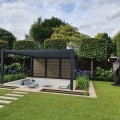
When it comes to creating an inviting and functional outdoor space, understanding the concepts of landscaping and hardscaping is essential. These two elements work in tandem to enhance the aesthetic appeal and usability of your property. Incorporating the Magic of Smart Landscape Lighting can further elevate your outdoor design, adding both beauty and practicality to your yard or garden. is essential. These two elements work in tandem to enhance the aesthetic appeal and usability of your property. Incorporating the Magic of Smart Landscape Lighting can further elevate your outdoor design, adding both beauty and practicality to your yard or garden.Landscaping primarily focuses on the living elements of your outdoor environment. This includes everything from lush green lawns and vibrant flower beds to strategically placed trees and shrubs.
The goal of landscaping is not only to beautify your space but also to create a harmonious balance between nature and human-made structures. By incorporating various plants, flowers, and natural features, landscaping can transform a mundane yard into a serene oasis that reflects your personal style. On the other hand, hardscaping refers to the non-living components that provide structure and functionality to your outdoor area. This includes materials such as stone, concrete, wood, and metal that are used to create pathways, patios, retaining walls, and other features. Hardscaping elements serve practical purposes—like directing foot traffic or managing water drainage—while also adding visual interest through texture and design.
Together, landscaping and hardscaping form a cohesive outdoor environment that can be both beautiful and functional. As we delve deeper into these concepts, it becomes clear that understanding their differences is crucial for anyone looking to enhance their outdoor space. Whether you are planning a complete redesign or simply looking to make small improvements, knowing how to effectively combine landscaping and hardscaping will allow you to create an outdoor area that meets your needs while also elevating your home's curb appeal.
What is Landscaping?
Landscaping is the art and science of modifying the visible features of an area of land, which includes living elements such as plants, trees, and soil, as well as natural elements like terrain shape and elevation. It is a multifaceted discipline that not only enhances the aesthetic appeal of a property but also contributes to its ecological health.At its core, landscaping involves a variety of components that work together to create a harmonious outdoor environment. Some key landscaping features include:- Plants: These are the backbone of any landscaping project.
From vibrant flowers to lush shrubs, plants add color, texture, and life to outdoor spaces.
- Trees: Trees provide shade, privacy, and a habitat for wildlife. They can also serve as focal points in landscape design.
- Soil: Healthy soil is essential for plant growth. Landscaping often involves soil improvement techniques to ensure that plants thrive.
- Water Features: Ponds, fountains, and streams can enhance the tranquility of a landscape while supporting local ecosystems.
- Mulch and Ground Cover: These materials help retain moisture, suppress weeds, and improve soil quality.
- Improve Property Value: A beautifully landscaped yard can significantly increase the market value of a home.
- Enhance Environmental Health: Landscaping can help reduce soil erosion, improve air quality, and support biodiversity by providing habitats for various species.
- Create Outdoor Living Spaces: Thoughtful landscaping can transform your yard into an inviting space for relaxation and entertainment.
- Reduce Energy Costs: Strategically placed trees can provide shade in the summer and windbreaks in the winter, leading to lower heating and cooling costs.
By understanding its components and advantages, you can make informed decisions that enhance your property’s appeal and ecological footprint.
What is Hardscaping?
Hardscaping is a crucial aspect of landscape design that focuses on the non-living elements of an outdoor space. It encompasses a variety of features and materials that provide structure, functionality, and aesthetic appeal to your property. By integrating hardscaping into your landscape, you can create defined areas for relaxation, entertainment, and navigation.Key Hardscaping Features
- Patios: These are flat surfaces typically made from materials like concrete, stone, or pavers. Patios serve as outdoor living spaces where you can place furniture, grills, and other amenities for entertaining guests or enjoying family time.
- Walkways: Pathways guide visitors through your garden or yard.
They can be constructed from various materials such as gravel, bricks, or flagstone, providing both functionality and visual interest.
- Retaining Walls: These structures are designed to hold back soil and prevent erosion. Retaining walls can also create tiered gardens or level out sloped areas, adding depth and dimension to your landscape.
- Driveways: A well-designed driveway not only provides access to your home but also enhances curb appeal. Materials like asphalt, concrete, or decorative pavers can be used to create a durable and attractive surface.
- Decks and Pergolas: These features extend your living space outdoors. Decks provide a platform for relaxation, while pergolas offer shade and support for climbing plants.
Common Hardscaping Materials
The choice of materials in hardscaping is vital for durability and aesthetics.
Some popular options include:
- Concrete: Versatile and durable, concrete can be molded into various shapes and finishes.
- Natural Stone: Options like granite, slate, and limestone add a timeless elegance to any outdoor space.
- Pavers: Available in numerous colors and patterns, pavers are ideal for creating unique designs in patios and walkways.
- Brick: A classic choice that offers a traditional look while being strong and long-lasting.
Benefits of Hardscaping
The integration of hardscaping elements into your landscape design offers several advantages:
- Enhanced Functionality: Hardscaping creates usable spaces for activities such as dining, lounging, or gardening.
- Erosion Control: Features like retaining walls help manage water runoff and prevent soil erosion.
- Aesthetic Appeal: Well-designed hardscape elements can significantly enhance the visual appeal of your property.
- Low Maintenance: Unlike softscape elements that require regular upkeep, hardscaping typically demands less maintenance over time.
Key Differences Between Landscaping and Hardscaping
Understanding the differences between landscaping and hardscaping is essential for homeowners looking to enhance their outdoor spaces. While both elements contribute to the overall aesthetic and functionality of a property, they do so in distinct ways.Materials Used
- Landscaping: This primarily involves living elements such as grass, trees, shrubs, flowers, and other plants. The materials used in landscaping can also include organic matter like mulch and soil amendments that promote healthy plant growth.
- Hardscaping: In contrast, hardscaping refers to non-living features made from durable materials.
Common hardscape materials include concrete, stone, brick, wood, and metal. These materials are used to create structures such as patios, walkways, retaining walls, and decorative features.
Cost Considerations
The financial implications of landscaping and hardscaping can vary significantly:
- Landscaping Costs: Generally more affordable than hardscaping, landscaping projects can often be undertaken by homeowners themselves. Basic tasks like planting flowers or laying sod require minimal investment in materials and tools.
- Hardscaping Costs: Hardscaping projects tend to be more expensive due to the cost of materials and the need for professional installation. The labor involved in constructing durable structures often requires skilled tradespeople, which can increase overall expenses.
Roles in Outdoor Design
The roles that landscaping and hardscaping play in outdoor design are complementary yet distinct:
- Landscaping: The primary goal of landscaping is to create a visually appealing environment that enhances the natural beauty of a property.
It focuses on the arrangement of plants and natural elements to create harmony and balance.
- Hardscaping: Hardscape elements provide structure and functionality to outdoor spaces. They define areas for activities such as dining or lounging while also offering practical solutions for drainage and erosion control.
The Importance of Combining Landscaping and Hardscaping
Integrating landscaping and hardscaping is essential for creating a cohesive and inviting outdoor environment. When these two elements are thoughtfully combined, they not only enhance the aesthetic appeal of your property but also improve its functionality.This synergy allows homeowners to maximize their outdoor spaces, making them more enjoyable and usable.One of the primary benefits of combining landscaping and hardscaping is the creation of defined spaces. For instance, a beautifully designed patio can serve as a gathering area for family and friends, while surrounding it with lush greenery and colorful flowers can soften the hard edges of the structure. This contrast between the solid surfaces of hardscaping and the organic forms of landscaping creates visual interest and depth.
Examples of Successful Combinations
- Walkways and Garden Beds: Incorporating stone or brick walkways that meander through garden beds not only provides a functional path but also enhances the overall design. The hard surface guides visitors while the surrounding plants add life and color.
- Retaining Walls: These structures can serve dual purposes.
They provide necessary support for sloped areas while also acting as a backdrop for flower beds or decorative plants, creating a layered look that draws the eye.
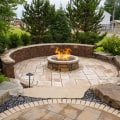
- Fire Pits: A hardscape feature like a fire pit surrounded by seating can become a focal point in your yard. By adding landscaping elements such as shrubs or ornamental grasses around it, you create a cozy atmosphere that invites relaxation.
- Decks with Planters: Elevating your outdoor space with a deck can be complemented by built-in planters filled with vibrant flowers or herbs. This combination not only adds beauty but also integrates nature into your living area.
Coupling this with native plants in landscaping can create a low-maintenance garden that supports local wildlife.In conclusion, the thoughtful combination of landscaping and hardscaping is vital for achieving an outdoor space that is both beautiful and functional. By considering how these elements interact, homeowners can create environments that reflect their personal style while enhancing their property’s value.
DIY vs Professional Installation: What You Need to Know
When it comes to enhancing your outdoor space through landscaping and hardscaping, one of the most significant decisions you'll face is whether to tackle the project yourself or hire a professional. Each option has its own set of advantages and disadvantages, and understanding these can help you make an informed choice.DIY Landscaping and Hardscaping
Choosing to go the DIY route can be both rewarding and cost-effective. Here are some key points to consider:- Cost Savings: One of the most appealing aspects of DIY projects is the potential for significant savings.
By eliminating labor costs, you can allocate more of your budget towards materials and plants.
- Personal Satisfaction: Completing a landscaping or hardscaping project on your own can provide a sense of accomplishment. Watching your vision come to life through your own efforts can be incredibly fulfilling.
- Flexibility: DIY projects allow you to work at your own pace. You can take your time to ensure every detail is just right, without the pressure of a professional timeline.
- Skill Level: Not everyone has the necessary skills or experience for complex landscaping or hardscaping tasks. If you're unfamiliar with certain techniques or tools, you may end up with subpar results.
- Time Commitment: DIY projects can be time-consuming.
Depending on the scope of your project, you may find that it takes longer than anticipated, especially if you're juggling other responsibilities.
- Lack of Professional Insight: Professionals bring expertise that can help avoid common pitfalls. Without this knowledge, you might overlook important factors such as drainage, soil quality, or plant compatibility.
Hiring Professional Landscaping Services
If you're considering hiring professionals for your landscaping or hardscaping needs, here are some benefits:- Expertise: Professionals have extensive training and experience in landscape design and installation. They understand how to create a cohesive look while addressing practical concerns like drainage and maintenance.
- Efficiency: A professional team can complete projects much faster than an individual working alone. Their experience allows them to anticipate challenges and implement solutions quickly.
- Access to Resources: Professionals often have access to high-quality materials and tools that may not be available to the average homeowner.
This can enhance the overall quality of your project.
- Cost: Professional services can be expensive. It's essential to budget accordingly and understand what you're paying for in terms of labor and expertise.
- Lack of Control: When you hire someone else, you may have less control over the final outcome. It's crucial to communicate your vision clearly to ensure it aligns with their execution.
However, for larger projects involving intricate hardscaping elements or extensive landscaping designs, hiring a professional could save you time and ensure a polished result.
FAQs About Landscaping and Hardscaping
When it comes to landscaping and hardscaping, many homeowners have questions that can help clarify their understanding of these two essential components of outdoor design. Below are some frequently asked questions that address common misconceptions and provide valuable insights.What is the primary difference between landscaping and hardscaping?
The main distinction lies in the elements involved. Landscaping focuses on the living aspects of your outdoor space, such as plants, trees, flowers, and grass. In contrast, hardscaping refers to the non-living features, including patios, walkways, retaining walls, and other structures made from materials like stone, concrete, or wood.Can I do landscaping myself?
Yes! One of the appealing aspects of landscaping is that many projects can be undertaken by homeowners with some basic knowledge and tools.Simple tasks like planting flowers, laying mulch, or creating garden beds can often be done without professional help. However, for larger projects or intricate designs, hiring a professional may be beneficial.
Is hardscaping more expensive than landscaping?
Generally speaking, yes. Hardscaping projects tend to have higher upfront costs due to the materials required and the labor involved in installation. Elements like stone patios or brick walkways require skilled labor and durable materials, which can increase overall expenses.In contrast, landscaping can often be more budget-friendly.
How do I choose between landscaping and hardscaping?
Your choice should depend on your specific needs and preferences. If you desire a vibrant outdoor space filled with plants and greenery, landscaping may be your focus. However, if you need functional areas for entertaining or walking paths that enhance accessibility, then investing in hardscaping might be more appropriate. Many homeowners find a balance between both to create a harmonious outdoor environment.Can landscaping and hardscaping work together?
Absolutely! In fact, combining both elements can lead to a more cohesive and functional outdoor space.For instance, using hardscape features like patios or pathways can enhance the beauty of surrounding plants and gardens. This integration not only improves aesthetics but also increases the usability of your outdoor area.
What are some common mistakes to avoid in landscaping?
- Overcrowding plants: Ensure that you give each plant enough space to grow without competing for resources.
- Poor drainage: Always consider how water will flow through your landscape to avoid flooding or erosion.
- Lack of planning: Take time to design your layout before starting; this will save time and money in the long run.
Conclusion: Creating Your Ideal Outdoor Space
In conclusion, understanding the distinction between landscaping and hardscaping is essential for anyone looking to enhance their outdoor environment. Both elements play a crucial role in creating a cohesive and visually appealing space that reflects your personal style and meets your functional needs.Landscaping focuses on the living aspects of your outdoor area, including plants, trees, flowers, and grass. It is about bringing nature into your space, creating a vibrant atmosphere that can change with the seasons.By incorporating various plant species and arranging them thoughtfully, you can create a dynamic landscape that not only enhances curb appeal but also provides a habitat for local wildlife.On the other hand, hardscaping introduces structure and permanence to your outdoor design. It encompasses all non-living elements such as patios, walkways, retaining walls, and decorative features. These components are vital for functionality; they define spaces, provide pathways, and create areas for relaxation or entertainment. The right hardscape features can complement your landscaping efforts by providing contrast and balance.When planning your ideal outdoor space, consider how these two elements can work together harmoniously.
For instance, a beautifully landscaped garden can be framed by a well-constructed stone pathway that guides visitors through the space. Similarly, a patio made of natural stone can serve as an inviting gathering spot surrounded by lush greenery.Moreover, it’s important to think about maintenance when designing your outdoor area. Landscaping often requires ongoing care such as watering, pruning, and fertilizing, while hardscaping typically demands less frequent upkeep. Striking the right balance between these two aspects can lead to a sustainable and enjoyable outdoor environment.Ultimately, whether you choose to focus more on landscaping or hardscaping—or find a balance between the two—understanding their unique contributions will empower you to create an outdoor space that is not only beautiful but also functional and reflective of your lifestyle.
Embrace the possibilities that both landscaping and hardscaping offer to transform your property into an inviting retreat.