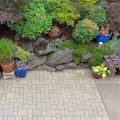
Landscaping is more than just arranging plants and stones; it is an art form that transforms outdoor spaces into stunning visual experiences. At its core, landscaping encompasses the design, planning, and maintenance of both natural and constructed elements in a given area. This intricate process not only enhances the aesthetic appeal of a property but also contributes to its functionality and environmental sustainability. Understanding the principles of landscape design is essential for anyone looking to create an inviting outdoor environment that reflects their personal style and meets their practical needs.The beauty of landscaping lies in its ability to harmonize various components, particularly the interplay between hardscape and softscape.
Hardscape refers to the non-living elements such as patios, walkways, and retaining walls, which provide structure and durability to a landscape. In contrast, softscape includes the living elements like trees, shrubs, flowers, and grass that bring life and color to outdoor spaces. Achieving a successful balance between these two components is crucial for creating a cohesive design that feels both inviting and functional.As we delve deeper into the world of landscaping, it becomes clear that thoughtful design can significantly enhance outdoor aesthetics. A well-planned landscape not only elevates the visual appeal of a home but also increases its value and usability.
Whether you are looking to create a serene garden retreat or an entertaining space for family gatherings, understanding the foundational elements of landscaping will empower you to make informed decisions that lead to beautiful results.
Defining Hardscape and Softscape: Key Components of Landscaping
In the realm of landscaping, understanding the distinction between hardscape and softscape is crucial for creating a well-rounded outdoor environment. Each component plays a unique role, contributing to the overall aesthetic and functionality of a landscape design.Hardscape
refers to the non-living elements of a landscape. These are the structural components that provide form and function to outdoor spaces. Common examples of hardscape include:
- Patios: These paved areas serve as outdoor living spaces, perfect for entertaining or relaxing. These paved areas serve as outdoor living spaces, perfect for entertaining or relaxing.
- Walkways: Paths made from stone, brick, or concrete guide visitors through the landscape.
- Retaining Walls: These structures help manage soil erosion and create level areas in sloped yards.
- Decks: Elevated platforms that extend living space outdoors, often made from wood or composite materials.
- Fire Pits: A focal point for gatherings, providing warmth and ambiance.
They establish the framework of a landscape, defining areas for various activities and enhancing accessibility.On the other hand, softscape encompasses all living elements within a landscape. This includes plants, trees, flowers, and grass that bring life and vibrancy to outdoor spaces. Key components of softscape are:
- Trees: Providing shade, beauty, and habitat for wildlife.
- Shrubs: Adding structure and color throughout the seasons.
- Flowers: Offering bursts of color and attracting pollinators.
- Lawn Areas: Providing green space for recreation and relaxation.
By thoughtfully integrating these components, homeowners can achieve a balanced aesthetic that enhances both beauty and functionality in their outdoor spaces.
The Benefits of Incorporating Softscape in Your Landscape Design
Incorporating softscape elements into your landscape design offers a multitude of benefits that can transform your outdoor space into a vibrant and inviting environment. Unlike hardscape, which consists of non-living materials, softscape includes all the living components of your landscape, such as plants, trees, flowers, and grass. Here are some key advantages of integrating softscape into your landscaping:- Flexibility and Adaptability: One of the most significant benefits of softscape is its inherent flexibility. Plants can be easily replaced or rearranged to suit changing tastes or seasonal trends.
This adaptability allows homeowners to refresh their landscapes without the need for extensive renovations.
- Seasonal Changes: Softscape elements bring life to your landscape throughout the year. Different plants bloom in various seasons, providing a dynamic visual experience. For instance, spring flowers can give way to summer blooms, followed by autumn foliage and winter evergreens, ensuring that your landscape remains engaging and beautiful year-round.
- Aesthetic Appeal: The addition of softscape elements enhances the overall beauty of your outdoor space. Lush greenery, colorful flowers, and varied textures create a visually appealing environment that can evoke feelings of tranquility and joy.
Well-placed plants can also soften hard edges created by hardscape features, creating a more harmonious balance.
- Environmental Benefits: Softscaping contributes positively to the environment by improving air quality and providing habitats for wildlife. Plants absorb carbon dioxide and release oxygen, making your outdoor space healthier for you and the surrounding ecosystem. Additionally, well-planned softscapes can help with soil erosion control and water management.
- Enhanced Property Value: A well-designed landscape that incorporates softscape elements can significantly increase the value of your property. Potential buyers are often drawn to homes with attractive gardens and lush greenery, making softscaping a worthwhile investment.
From enhancing aesthetic appeal to providing environmental benefits, softscape elements play a crucial role in creating a vibrant and harmonious outdoor space. By thoughtfully selecting and arranging plants, you can cultivate a landscape that not only looks beautiful but also thrives through the seasons.
The Role of Hardscape in Creating Structure and Functionality
Hardscape elements play a pivotal role in landscape design, serving as the backbone that provides both structure and functionality to outdoor spaces. These non-living components, which include materials such as stone, concrete, wood, and metal, are essential for creating a cohesive and well-organized environment.Benefits of Hardscape in Landscaping
- Durability: Hardscape features are built to last. Unlike softscape elements that may require frequent replacement, hardscapes can withstand the test of time and various weather conditions.
- Low Maintenance: Once installed, hardscape elements typically require minimal upkeep compared to their softscape counterparts.
This makes them an ideal choice for homeowners seeking a beautiful landscape without the constant labor of gardening.
- Functional Spaces: Hardscapes create defined areas for various activities, such as patios for entertaining, walkways for navigation, and retaining walls for managing slopes. These features enhance the usability of outdoor spaces.
- Aesthetic Appeal: The visual impact of hardscape elements can be significant. They can serve as focal points or complementary features that enhance the overall beauty of a landscape.
Key Hardscape Features
When considering hardscape elements for your landscape design, several features stand out:
- Patios: These are flat surfaces typically made from stone or pavers that provide an area for outdoor dining or relaxation. A well-designed patio can become the heart of your outdoor living space.
- Walkways: Pathways guide visitors through your garden or yard while adding structure.
They can be made from various materials, including gravel, bricks, or flagstone, and should complement the surrounding softscape.
- Retaining Walls: Essential for managing elevation changes in your landscape, retaining walls not only prevent soil erosion but also create tiered planting areas that add depth and interest to your garden.
- Fire Pits: These features provide warmth and ambiance, making outdoor spaces more inviting during cooler months. Fire pits can be constructed from stone or brick and serve as a gathering spot for family and friends.
- Decks: Elevated platforms made from wood or composite materials extend living spaces outdoors. Decks can be designed to overlook gardens or water features, enhancing the overall experience of your landscape.
Achieving Balance: Strategies for Harmonizing Hardscape and Softscape
Creating a harmonious landscape design requires a thoughtful approach to balancing hardscape and softscape elements.Here are some effective strategies to achieve this balance:
- Define Functional Areas: Start by identifying the different functional areas of your outdoor space. Consider how you want to use each area—whether for entertaining, gardening, or relaxation. Use hardscape elements like patios, walkways, and retaining walls to delineate these spaces clearly. This structure will provide a framework for integrating softscape elements.
- Choose Complementary Materials: When selecting hardscape materials, opt for those that complement the natural surroundings.
For instance, if your home features a rustic design, consider using natural stone or wood for patios and pathways. This choice will help create a seamless transition between hardscape and softscape, enhancing the overall aesthetic.
- Incorporate Softscape as Filler: Use softscape elements to soften the edges of hardscape features. For example, plant low-growing flowers or ground cover around the base of a stone wall or patio. This not only adds color and texture but also helps to visually integrate the hard surfaces with the natural environment.
- Create Focal Points: Establish focal points within your landscape that draw the eye and create interest.
A beautifully designed pergola or a striking water feature can serve as a centerpiece surrounded by lush greenery. This approach allows you to balance the solidity of hardscape with the softness of plants.
- Utilize Vertical Space: Don’t forget about vertical elements in your design. Incorporating trellises, vertical gardens, or tall planters can add dimension to your landscape while providing opportunities for climbing plants or cascading flowers. This strategy enhances visual interest and helps bridge the gap between hardscape and softscape.
- Consider Seasonal Changes: Keep in mind that softscape elements will change with the seasons.
Plan for year-round interest by selecting a variety of plants that bloom at different times or have varying foliage colors. This dynamic aspect can complement the more static nature of hardscapes, ensuring your landscape remains vibrant throughout the year.
Common Mistakes to Avoid in Landscape Design
When embarking on a landscaping project, homeowners often encounter a variety of challenges that can lead to common mistakes. Understanding these pitfalls is crucial for creating a successful and aesthetically pleasing outdoor space.Here are some frequent errors to avoid in landscape design:
- Neglecting the Site's Natural Features: One of the biggest mistakes is ignoring the existing topography, soil type, and climate conditions. Each landscape has unique characteristics that should inform your design choices. For instance, if your yard has a natural slope, consider incorporating terracing or retaining walls rather than attempting to flatten it.
- Overcrowding Plants: While it may be tempting to fill every available space with plants, overcrowding can lead to competition for nutrients and water, resulting in unhealthy plants. Always consider the mature size of each plant and allow adequate space for growth.
- Choosing Inappropriate Plants: Selecting plants that are not suited for your local climate or soil conditions can lead to failure.
Research native plants that thrive in your area, as they typically require less maintenance and are more resilient.
- Ignoring Maintenance Needs: Some homeowners overlook the long-term maintenance requirements of their landscape design. Before finalizing your plan, consider how much time and effort you are willing to invest in upkeep. Opt for low-maintenance plants and hardscape features if you prefer a more hands-off approach.
- Forgetting About Functionality: A beautiful landscape should also be functional. Ensure that pathways are wide enough for foot traffic and that seating areas are conveniently located.
Think about how you will use the space and design accordingly.
- Lack of Focal Points: A landscape without focal points can feel disorganized and uninviting. Incorporate elements such as sculptures, water features, or distinctive trees to draw the eye and create interest.
- Overlooking Seasonal Changes: Many homeowners fail to consider how their landscape will look throughout the year. Choose a mix of plants that provide color and interest in different seasons to ensure your landscape remains vibrant year-round.
Sustainable Landscaping Practices: Balancing Aesthetics with Environmental Responsibility
In recent years, the concept of sustainable landscaping has gained significant traction among homeowners and landscape designers alike.This approach not only enhances the visual appeal of outdoor spaces but also prioritizes environmental health. By integrating eco-friendly practices into landscape design, we can create beautiful gardens that contribute positively to our ecosystems.One of the fundamental principles of sustainable landscaping is the use of native plants. These species are well-adapted to local climates and soil conditions, requiring less water and maintenance compared to non-native varieties. By choosing native plants, you can reduce the need for chemical fertilizers and pesticides, which can harm local wildlife and pollute waterways.Another essential aspect of eco-friendly landscape design is the incorporation of permeable materials in hardscape elements.
Traditional concrete and asphalt surfaces can lead to increased runoff and erosion, contributing to water pollution. In contrast, permeable pavers, gravel, or porous concrete allow rainwater to infiltrate the ground, replenishing groundwater supplies and reducing stormwater runoff.Additionally, implementing a rain garden is an excellent way to manage excess water while enhancing your landscape's beauty. These gardens are designed to capture and absorb rainwater from impervious surfaces like roofs and driveways. By planting a variety of native plants in a shallow depression, you can create a vibrant ecosystem that supports local wildlife while effectively managing stormwater.Composting is another sustainable practice that can significantly benefit your landscape.
By recycling organic waste such as kitchen scraps and yard debris, you can create nutrient-rich compost that enriches your soil naturally. This reduces the need for synthetic fertilizers and promotes healthy plant growth.Moreover, consider incorporating xeriscaping , a landscaping method that emphasizes water conservation. This technique involves selecting drought-resistant plants and designing landscapes that require minimal irrigation. By grouping plants with similar water needs together and utilizing mulch to retain moisture, you can create a stunning landscape that thrives even in dry conditions.Finally, sustainable landscaping also involves responsible maintenance practices.
Regularly monitoring your garden for pests and diseases allows for early intervention without resorting to harmful chemicals. Emphasizing organic gardening techniques not only protects your plants but also fosters a healthier environment for beneficial insects and pollinators.In conclusion, achieving a balance between aesthetics and environmental responsibility in landscaping is not only possible but essential. By adopting sustainable practices such as using native plants, permeable materials, rain gardens, composting, xeriscaping, and responsible maintenance, you can create an outdoor space that is both beautiful and beneficial to the planet.
Conclusion: The Art of Creating a Balanced Landscape Design
In summary, achieving a harmonious landscape design is an intricate dance between hardscape and softscape. Each element plays a vital role in creating an outdoor space that is not only aesthetically pleasing but also functional and inviting.Throughout this article, we have explored the distinct characteristics of hardscape and softscape, emphasizing their unique contributions to landscape design.
Understanding the Balance
- Hardscape provides the foundational structure of your landscape. It includes elements like patios, walkways, and retaining walls that define spaces and create a sense of permanence.
- Softscape, on the other hand, introduces life and vibrancy through plants, flowers, and greenery. It adds color, texture, and seasonal interest to your outdoor environment.
Striking the right balance ensures that your outdoor space feels inviting and well-organized.
Strategies for Achieving Balance
- Utilize hardscape elements to create defined areas within your landscape. For instance, a stone pathway can guide visitors through lush gardens, seamlessly integrating both aspects.
- Incorporate softscape as accents around hardscape features. A beautifully designed patio can be enhanced with strategically placed flower beds or shrubs that soften the edges.
- Consider seasonal changes when planning your landscape. The dynamic nature of softscape allows for continual evolution, while hardscape remains constant, providing a reliable framework.
By thoughtfully combining hardscape and softscape, you can cultivate an outdoor space that reflects your personal style while also serving practical purposes. Whether you are designing a tranquil retreat or an entertaining area for gatherings, remember that balance is key to achieving a truly harmonious landscape.